30-60 Mins vs. 15-30 Mins: Arrival Transit Options
"The way you arrive in the Maldives often dictates the entire rhythm of your vacation."
Choosing between a seaplane and a speedboat isn't just a logistical decision; it is a choice between a scenic aerial adventure and a direct, efficient transit. Your decision impacts your budget, your arrival timeline, and your first impression of the islands.
* Proximity is Key: Nearby resorts utilize high-speed boats, while remote atolls require the scenic seaplane journey. * Time vs. Thrill: Seaplanes offer breathtaking views but follow rigid schedules; speedboats are direct but can be bumpy. * Budget Alignment: Transfer costs vary significantly and must be factored into your total resort budget. * Planning Ahead: Your arrival mode determines how much of your first day is spent traveling versus relaxing.

Should I take a seaplane or a speedboat? The sun was just beginning to crest over the horizon at Velana International Airport in 2026 as I stood among a crowd of travelers, all eyes scanning the flight boards.
Some were clutching heavy luggage, eyes fixed on the "Seaplane" departures, while others looked toward the pier where sleek boats waited.
A seaplane journey is often the highlight of a luxury traveler's trip. From above, the atolls look like scattered turquoise jewels dropped onto a deep blue velvet cloth. These flights typically last between 30 to 60 minutes, depending on how far your resort is from Malé.
The pros are undeniable: you get a bird's-eye view of the reef systems that you simply cannot get from the water. However, the cons include a high dependency on weather and a rigid schedule.
Seaplanes do not run 24/7; they operate within specific daylight windows, meaning a late international flight could result in a long wait in the airport. In 2025, many travelers faced similar delays due to shifting flight schedules.
In contrast, the speedboat experience is built for efficiency and directness. For resorts located in closer atolls, a speedboat can whisk you from the airport to your dock in 15 to 30 minutes. This is ideal for travelers who want to minimize transit time and maximize beach time.
The downside is that you are much closer to the waves. Depending on the sea state, a speedboat ride can be loud, windy, or even a bit bumpy. While you miss the aerial views, you gain a much more predictable schedule compared to the flight.
When looking at the cost, the gap is significant. Seaplane transfers are premium services that often cost several hundred dollars per person. Speedboats are generally much more affordable, making them the go-to for budget-conscious luxury or those staying on closer islands.
But how do you know which one actually fits your specific resort?
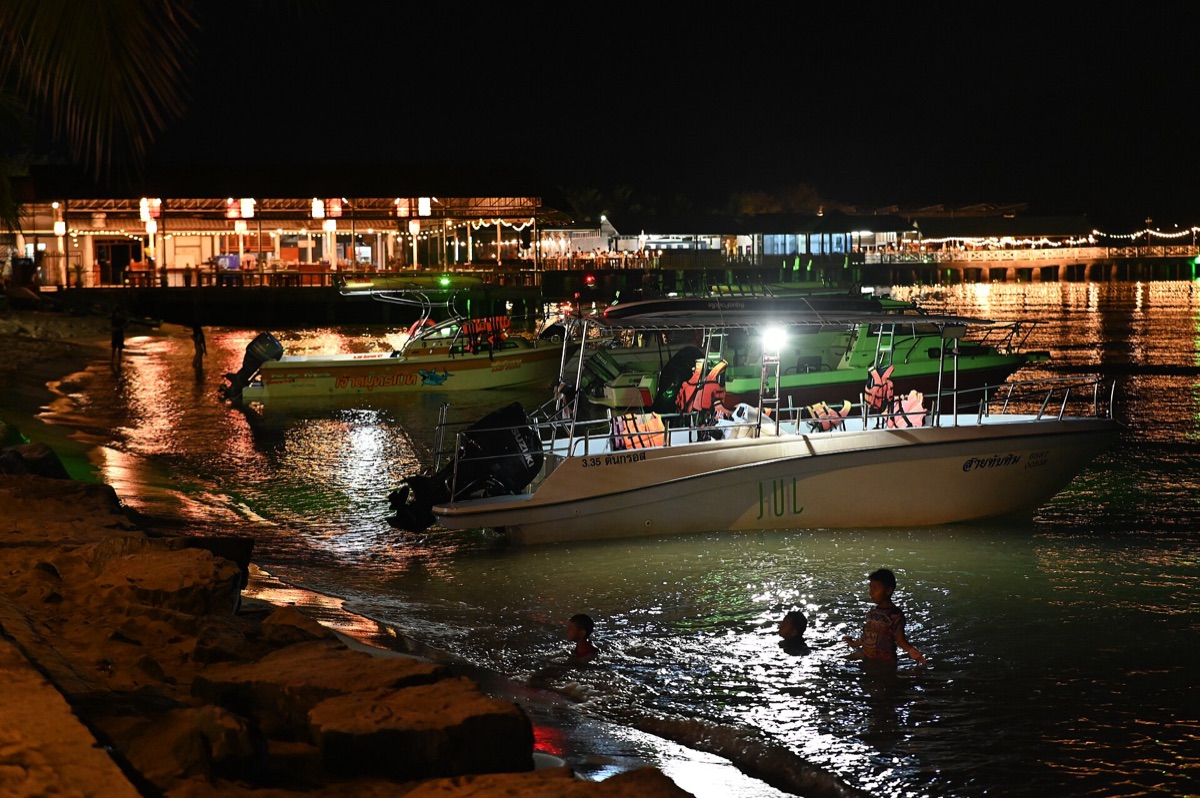
Which transfer works best for my resort? I remember sitting in a lounge in Malé in the summer of 2025, looking at a map of the various atolls spread across the Indian Ocean. I realized that the distance from the airport wasn't just a number; it was a lifestyle choice for the traveler.
If you choose a close-range resort, a speedboat is your best friend. These islands are usually within a short radius of Malp, making the transfer quick and relatively inexpensive. This is the perfect choice for travelers who prioritize predictability.
If you have a tight schedule or a connecting flight to catch, you don't want to be at the mercy of a seaplane's flight window. For these travelers, the ease of a direct boat ride often outweighs the desire for a scenic flight.
For those heading to distant resorts, a seaplane is often the only—or at least the most logical—option. These resorts are located in far-flung atolls, offering a sense of total isolation and pristine beauty. The journey itself becomes part of the vacation.
While the logistical reality of reaching a remote island involves more planning, the reward is often a more exclusive, untouched environment.
There is also the "in-between" scenario. Some resorts are far enough to justify a seaplane but close enough that a speedboat is still an option. In these cases, you must weigh the value of the views against the value of your time. If you are a photography enthusiast, take the plane.
If you are a traveler who just wants to get to the cocktail bar as soon as possible, take the boat.
| Feature | Seaplane | Speedboat |
|---|---|---|
| Primary Benefit | Incredible aerial views | Fast and direct access |
| Typical Duration | 30–60 minutes | 15–30 minutes (for close islands) |
| Cost Level | High / Premium | Moderate to Low |
| Schedule | Strict daylight windows | More flexible/frequent |
| Best For | Remote, luxury atolls | Nearby, convenient islands |
But what else should you consider before you step off that plane or boat?
Beyond the Transfer: Factors Affecting Your Arrival Experience
The transition from the airport terminal to the resort dock is the moment your vacation truly begins. It is a sensory shift from the heat of the tarmac to the salt air of the ocean. According to World Bank, the Maldives recorded international tourist arrivals of 555,000 in 2020.
One of the most important factors to consider is the relationship between travel time and cost. A higher price tag for a seaplane often buys you a more dramatic arrival, but it also requires a larger portion of your budget.
You must decide if the "wow factor" of flying over the reefs is worth the extra hundreds of dollars. Additionally, booking flexibility impacts the price. Last-minute changes are much harder and more expensive to manage with seaplane schedules than with boat transfers.
Weather dependency is another critical variable. Seaplanes are highly sensitive to air conditions; heavy rain or high winds can ground flights, leading to unexpected delays in the airport. Speedboats, while less affected by wind, are highly dependent on sea conditions.
Rough waters can make a speedboat ride uncomfortable or even nauseating for some passengers. Always have a contingency plan, especially if you have a tight connection.
Finally, consider the "first impression" factor. Your arrival sets the tone. A seamless, luxurious seaplane landing on a turquoise lagoon creates an immediate sense of wonder. A quick, efficient speedboat ride offers a sense of ease and immediate relaxation.
Your choice should reflect how you want to feel the moment you step onto your resort's jetty.
Wait, how do you actually manage the transition once you land?

How to Manage Your Arrival: A Step-by-Step Guide
Imagine you have just landed at Velana International Airport. The humidity hits you immediately, and you are standing in a crowded terminal with your luggage. To ensure a smooth transition to your island, follow this checklist:
- Verify Your Transfer Type: Immediately check your booking confirmation to confirm if you are scheduled for a seapplane or a speedboat. In the airport, look for the specific desk assigned to your resort.
- Handle Luggage Logistics: If you are taking a seaplane, ensure your heavy bags are tagged for the transfer. Most seaplanes only allow a small hand-carry bag on board. If you are on a speedboat, confirm how much weight your group can carry onto the vessel.
- Coordinate with Resort Staff: Once you reach the transfer desk, confirm the exact departure time. In 2026, many transfers are coordinated through digital tablets at the airport desks.
- Prepare for the Journey: For speedboats, keep your sunglasses and a light jacket handy to protect against wind. For seaplanes, prepare your camera or phone to capture the aerial views as soon as you take off.
- Final Check of Arrival Time: Once you reach your resort, verify your check-in status. Some resorts may have a different check-in window than your arrival time, especially if you arrive in the early morning.
Following these steps prevents the chaos that often happens during the transition from international travel to island life.
But what happens when things don't go according to plan?







Comments 0