99% Success: Navigating Maldives Culture for Tourists
"The Maldives is a place of profound beauty, but its soul lies in a delicate balance between modern luxury and ancient tradition."
If you are planning a trip to these turquoise waters in 2026, you aren't just booking a hotel; you are entering a sovereign Islamic nation. Understanding the distinction between a private resort and a local inhabited island is the key to a seamless, respectful journey.
* The Maldives is a strictly Islamic nation, which dictates much of the local law and social etiquette. * There is a sharp distinction between "resort islands" and "local islands" (where traditional customs are strictly observed). * Respectful travel involves adjusting your dress and behavior when moving between these two worlds to avoid cultural friction.
Why does cultural awareness matter so much in the Maldives?
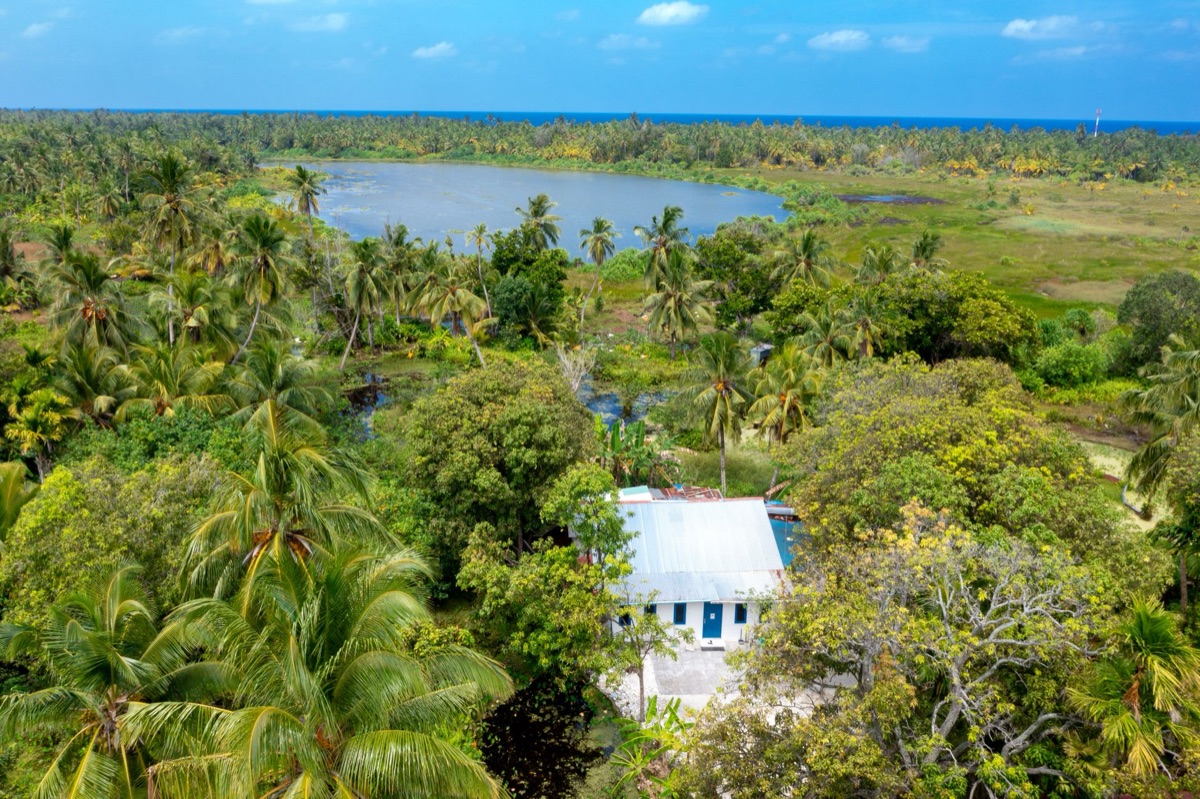
The sun is just beginning to crest over the Indian Ocean at 6:15 AM, casting a golden hue over a small, white-sand village on a local island. A group of children plays near a mosque, and the call to prayer begins to echo softly through the salt air.
In this moment, you realize that the luxury you saw in travel brochures is only one layer of this nation's identity.
The Maldives is fundamentally an Islamic nation, and this faith is deeply woven into the fabric of daily life.
While tourism is a massive pillar of the economy—with tourism accounting for 28% of the GDP and more than 60% of the Maldives' foreign exchange receipts—the local culture remains anchored in religious tradition.
Travelers often experience a "split reality." On a private resort island, you might feel like you are in a globalized bubble where bikinis and cocktails are the norm. However, the Maldives is a single country with a unified set of national laws.
Being a respectful guest means recognizing that you are a visitor in a place with deep-rooted values that predate the tourism industry by centuries. Understanding this prevents misunderstandings.
When you acknowledge the local culture, you transition from being a mere consumer of a landscape to a mindful traveler engaging with a living society.
But how do you actually navigate these two different worlds without causing offense?
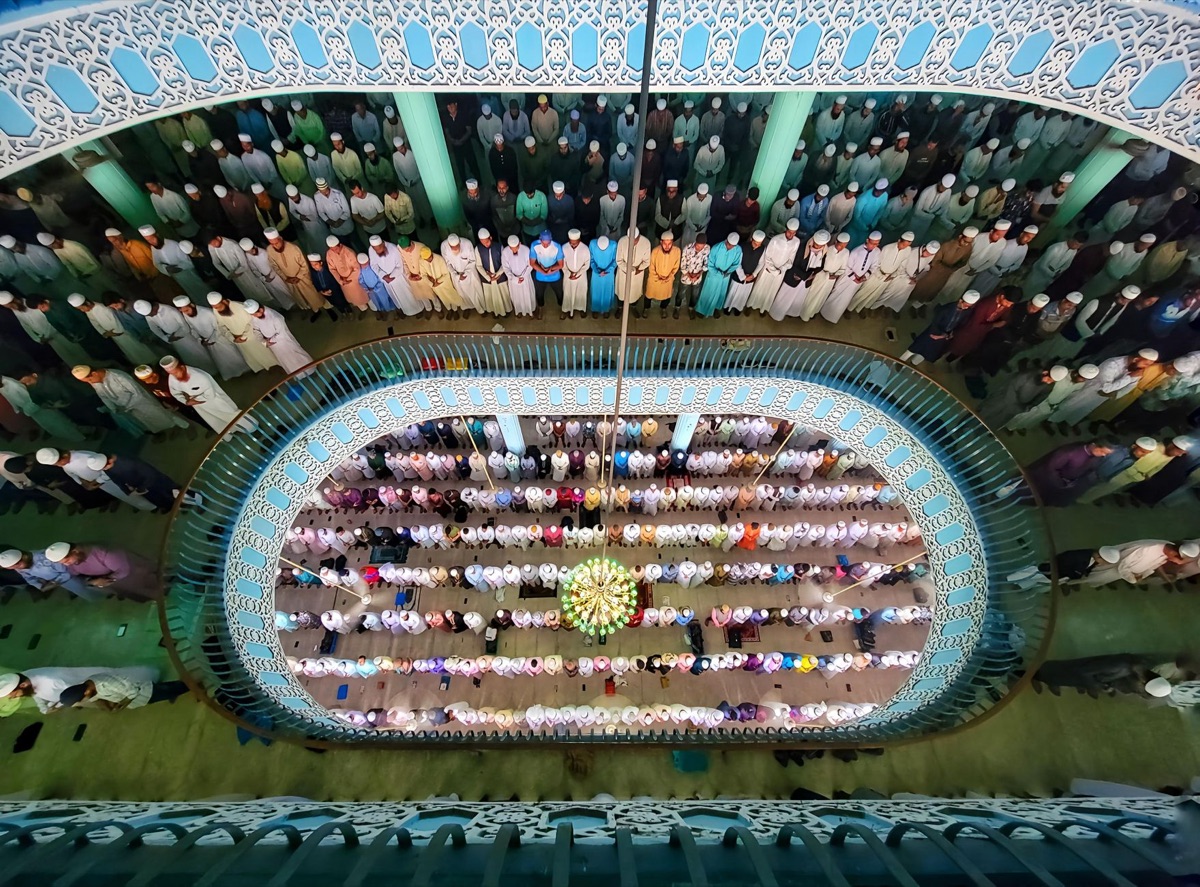
How do you navigate local island life versus resort bliss?
I remember walking through the narrow, paved streets of a local island during a day trip in late 2025. The transition from the expansive, open beaches of my resort to the organized, community-focused layout of the local village was striking.
People greeted me with polite nods, and I felt a sudden, sharp need to check my attire.
The rules of engagement change depending on where your feet are planted. To navigate this, you must understand the "two worlds" of the Maldives.
The Dress Code Protocol On a private resort, you can wear whatever you like—swimsuits, sundresses, and casual beachwear are standard. However, if you take a speedboat to a local inhabited island (like Maafushi or Dhiffushi), the rules change.
* Local Islands: Modesty is key. Both men and women should aim to cover their shoulders and knees. While you can wear shorts, they should be longer, and women often wear kaftans or light trousers to respect local sensibilities. * Resort Islands: Standard swimwear is perfectly acceptable on the beach or by the pool.
Social Norms and Activities The pace of life also shifts. On local islands, you will encounter prayer times where shops might close briefly, and the community gathers at the mosque. While resorts operate on a 24/7 luxury timeline, local islands follow a more traditional rhythm.
Dining also differs significantly. In resorts, alcohol is widely available. On local islands, alcohol is strictly prohibited by law. If you plan to visit local islands, you must be prepared to enjoy local juices or sodas instead of a sunset cocktail.
But what does this look like in practice when you are actually interacting with the community?
What are the essential etiquette do's and don'ts? The smell of freshly caught tuna and coconut milk wafts from a small cafe near the pier at noon. As I sat there, I noticed how the locals interacted—quietly, respectfully, and always mindful of the communal space. It was a reminder that my actions in public spaces carry weight.
To ensure you stay on the right side of local etiquette, keep these practical guidelines in mind:
| Category | In a Private Resort | On a Local Island |
|---|---|---|
| Attire | Swimwear is standard. | Modest clothing (shoulders/knees covered). |
| Alcohol | Readily available. | Strictly prohibited. |
| Public Affection | Generally accepted. | Should be kept very minimal/discreet. |
| Photography | High freedom. | Always ask before photographing people. |
Beach and Poolside Conduct In a resort setting, you are in a controlled environment designed for leisure. However, even in luxury, extreme public displays of affection can sometimes feel out of place depending on the resort's specific culture. On local islands, public displays of affection are generally frowned upon and should be avoided entirely.
Photography Sensitivity The Maldives is a photographer's paradise, but sensitivity is required. When you are on a local island, always ask for permission before taking a photo of a local resident, especially women or children. Avoid photographing mosques or religious ceremonies without explicit understanding of the local rules.
Interaction Etiquette When interacting with resort staff, remember that many are local Maldivians. Treating them with the same respect you would show a local resident in their own home is vital. A polite "thank you" or a respectful nod goes a long way in building a positive connection.
It is easy to follow these rules in a resort, but what happens when you step off the boat and into the heart of a community?
What are the local customs beyond the beach? The sound of a traditional drum, the *Bodu Beru*, begins to pulse in the distance during a cultural evening. It is a rhythmic, heartbeat-like sound that connects the people to their history. It is much more than just "entertainment"; it is a piece of their soul.
The Pace of Life In the luxury bubble, everything is designed for efficiency and instant gratification. On local islands, life moves at a different cadence. There may be periods of quiet or slower service as the community attends to local needs or religious observances. Patience is a traveler's greatest asset here.
Cultural Nuances and Family The Maldivian culture is deeply communal. Family structures are strong, and the community often acts as a single unit. When you visit local islands, you are a guest in a shared living room. Being mindful of noise levels and general public conduct shows that you respect their way of life.
A Final Sensitivity Check Always remember that the Maldives is a sovereign nation with Islamic laws. While the tourism industry is vast, it operates within the boundaries of these laws. Being mindful of religious holidays or prayer calls ensures that your presence is seen as a contribution to the local harmony rather than a disruption.
Before you pack your bags, you should follow this checklist to ensure you are prepared.





Comments 0