Maldives Adventures: Snorkel vs. Dive for Your Perfect Trip
"The ocean doesn't care about your skill level, but your comfort certainly does."
Choosing between a leisurely float over a vibrant reef and a controlled descent into the deep blue is the difference between a relaxing vacation and a life-changing expedition.
In the Maldives, your choice of water activity dictates everything from the gear you pack to the way you spend your afternoons.
* Beginner Friendly: Snorkeling offers immediate access to stunning marine life with minimal gear and low physical effort. * Intermediate/Advanced: Scuba diving provides a deeper connection to the ocean but requires certification or guided supervision. * Planning Matters: Success depends on matching your activity to the specific atoll's reef structure and seasonal visibility. * Gear Check: Ensure you distinguish between simple surface gear (mask/fins) and technical equipment (regulators/tanks).
🐠 Ready to Swim? Choosing Your Entry Point (Snorkeling vs. Diving)
The sun is high over the North Malé Atoll, and you stand on the edge of a wooden jetty, looking down at a turquoise expanse that seems to drop into infinity. You can hear the soft lap of water against the pilings and the distant hum of a speedboat.
For most travelers, the first instinct is to grab a mask and plunge in. Snorkeling is the ultimate low-barrier entry point. It is perfect for those who want to see the colors of the reef without the heavy commitment of breathing from a tank.
Most luxury resorts in the Maldives feature a "house reef"—a coral ecosystem accessible directly from the beach or villa. This allows for quick, one-hour dips whenever you spot a flash of yellow or blue in the water.
You only need a mask, a snorkel, and perhaps a pair of fins to navigate the gentle currents. When I first tried snorkeling in a remote atoll in 2025, I realized that even a 20-minute dip could reveal an entire universe of life right beneath my mask.
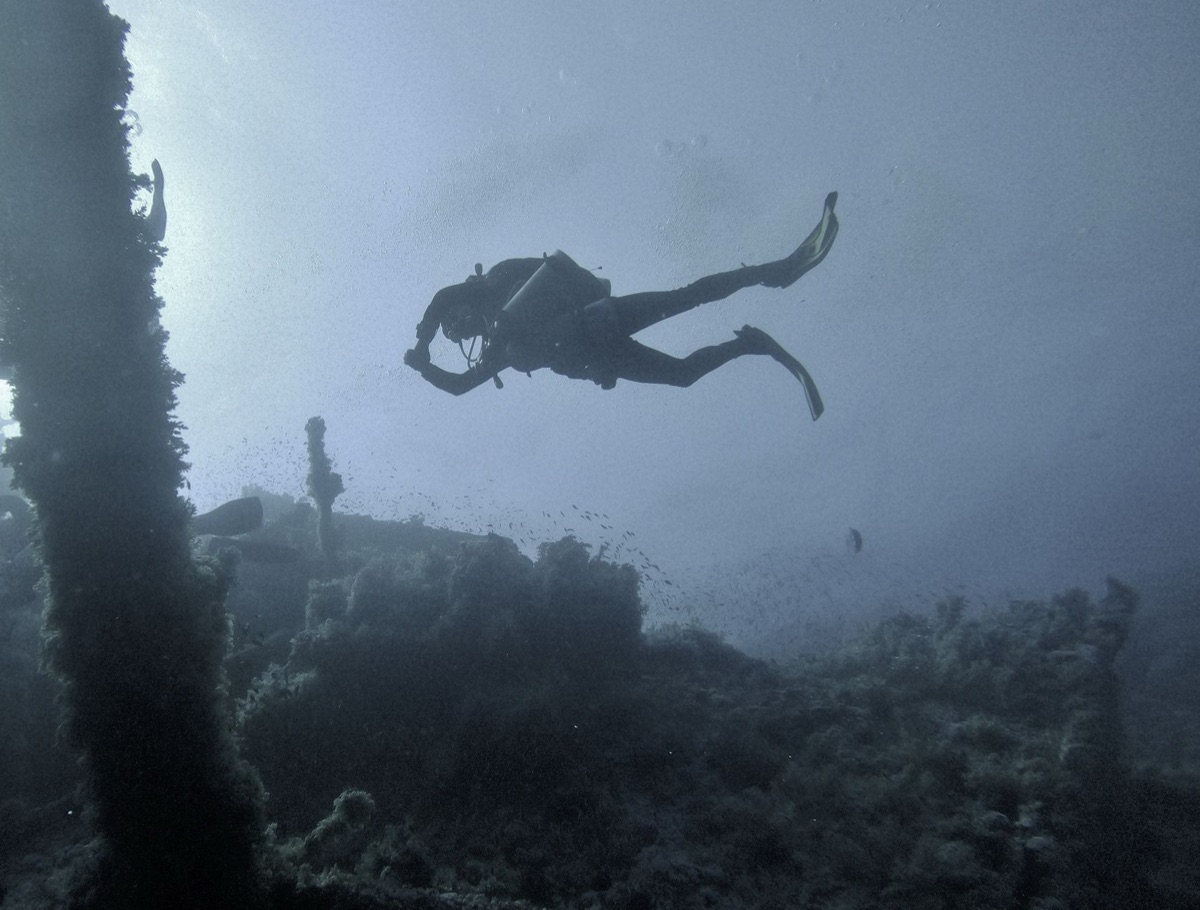
If you find yourself wanting more than just a surface view, diving is the next logical step. Unlike snorkeling, diving requires a transition from looking at the reef to being part of the environment.
For those without certification, a "Discover Scuba Diving" course allows you to experience the weightlessness of underwater life under professional supervision. For certified divers, the Maldives offers deep-sea walls and drop-offs that are inaccessible to snorkelers.
While a snorkel session might last a casual hour, a dive requires more preparation, including buoyancy checks and decompression considerations. There is also a middle ground for those who want the thrill of the deep without the technicality of a tank.
Guided snorkeling excursions often take boats further out to "thilas" (underwater mountains) or much larger reef structures.
These trips offer much higher visibility and larger marine life than a standard house reef dip. If you aren't ready to dive, a glass-bottom boat tour provides a way to see the underwater world while staying completely dry—a perfect option for families or those wary of deep water.
| Activity Type | Physical Effort | Required Skill | Primary Gear | Best For |
|---|---|---|---|---|
| Snorkeling | Low | None | Mask, Snorkel, Fins | Families, Casual Travelers |
| Guided Snorkel Trip | Moderate | Basic Swimming | Mask, Fins, Life Vest | Wildlife Enthusiasts |
| Introductory Dive | Moderate | Basic Swimming | Rental Gear, Instructor | Adventure Seekers |
| Certified Diving | High | PADI/SSI Cert | Full Scuba Set, Wetsuit | Experienced Divers |
But what happens when you move past the reef and into the open blue?

🐢 Beyond the Swim: Wildlife Encounters & Thrills
The morning air is humid, and the boat engine thrums beneath your feet as you cut through the white-capped waves of the open ocean. You are looking toward the horizon, hoping for a shadow in the water.
Wildlife encounters are often the primary driver for choosing a specific activity. In the Maldives, certain species dictate the itinerary. For example, Manta Ray swims are often seasonal and require specific locations like Hanifaru Bay.
While you can snorkel with Mantas, the experience is vastly different from a controlled dive where you can hover alongside them. Understanding the seasonal migration patterns is vital; a trip in July 2026 might offer different sightings than a trip in January.
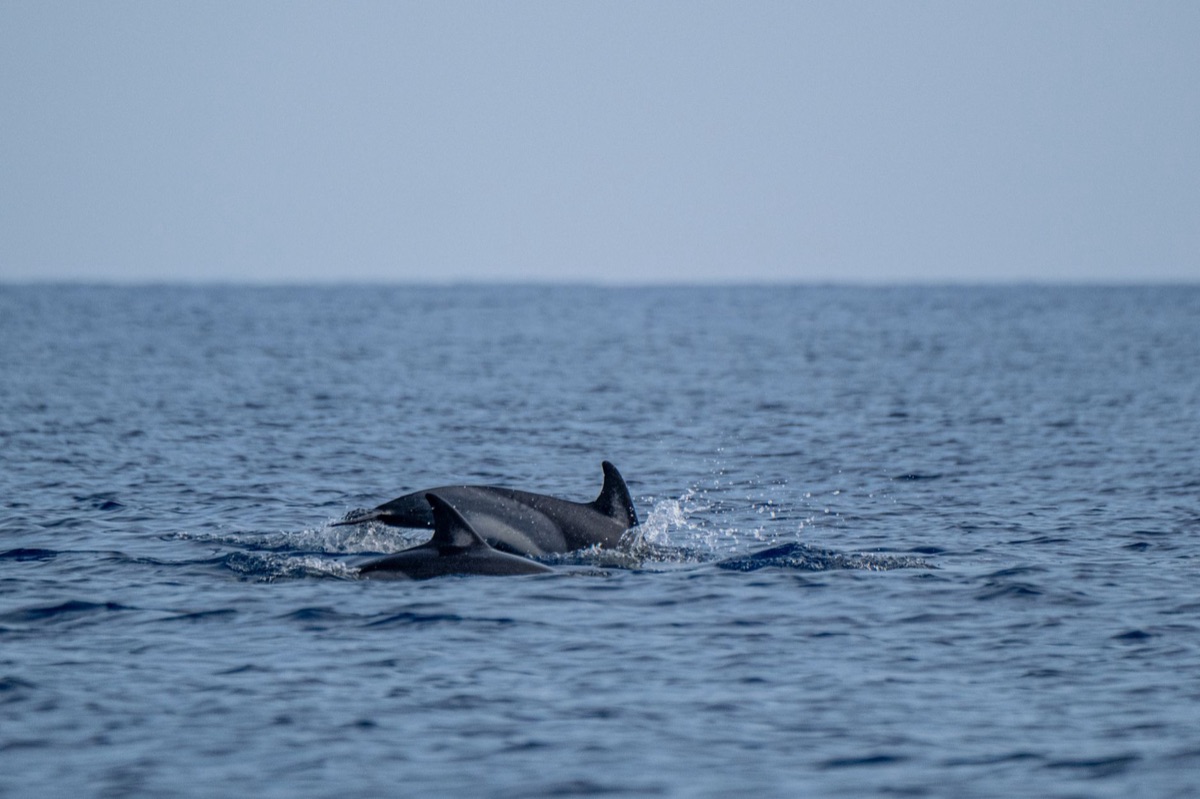
The physical exertion required varies wildly between these encounters. A dolphin-watching cruise is largely passive, involving sitting on a boat and scanning the waves.
In contrast, a drift dive—where you let the current carry you over a reef—requires much more physical engagement and better swimming skills.
For those seeking a thrill without the water, semi-submersible tours offer a way to observe the reef from a pressurized environment, providing a safe way to see sharks or large rays.
When deciding, consider your "thrill threshold." If you want to feel the rush of adrenaline, a deep-sea dive or a shark-spotting excursion is the way to go. If you prefer a meditative, peaceful connection with nature, a sunrise snorkel session in a calm lagoon will likely be more rewarding.
However, even the best wildlife encounter can be ruined by poor timing.
⏱️ Timing is Everything: When to Go & What to See
The sky turns a bruised purple as a sudden rain squall passes over the atoll, leaving the air thick and the water unusually clear. In the current 2026 travel season, travelers are finding that weather patterns are more unpredictable than ever.
According to World Bank, the Maldives recorded international tourist arrivals of 555,000 in 2020.
Timing your activities is not just about the time of day, but the time of year. The Maldives experiences two main seasons: the northeast monsoon (dry season) and the southwest monsoon (wet season).
During the dry season, water visibility is often at its peak, making it the gold standard for both snorkeling and diving. The water temperatures remain warm year-round, typically between 26°C and 29°C (79°F to 84°F), so you rarely need a thick wetsuit.
However, the "best" time depends on what you want to see. Certain species of sharks or rays may be more prevalent during specific months due to feeding or breeding cycles. Additionally, the time of day impacts your success.
Early morning often provides the calmest waters and the most active marine life, while late afternoon can offer stunning light for photography but may bring stronger currents.
To help you plan your daily schedule, follow this general guide:
- Morning (Sunrise to 10:00 AM): Best for high-energy activities like diving or boat-based wildlife spotting when the water is calmest.
- Midday (11:00 AM to 3:00 PM): Ideal for snorkeling in shallow lagoons when the sun is overhead, providing maximum light penetration for clear viewing.
- �3. Late Afternoon (4:00 PM onwards): Perfect for relaxed boat cruises or sunset snorkeling sessions as the heat of the day fades.
But how do you know if you are actually prepared for the water you are about to enter?
❓ Frequently Asked Questions
Do I need to be a strong swimmer to snorkel in the Maldives? While you don't need to be an Olympic athlete, you should be comfortable in open water. Most resorts provide life jackets, and many snorkel spots are in shallow, calm areas.
If you are a hesitant swimmer, stick to house reef snorkeling or guided lagoon tours.
Is it safe to go diving if I have never done it before? Yes, provided you go through a certified "Discovery Scuba" program. An instructor will guide you every step of the way. However, you must be in good physical health and able to equalize the pressure in your ears.
Can I snorkel with sharks? Yes, many reef sharks are common in the Maldives and are generally non-aggressive toward snorkelers. However, always follow your guide's instructions and maintain a respectful distance.
What is the difference between a house reef and an excursion? A house reef is the coral area immediately surrounding your resort. Anless an excursion is a boat trip to a different, often more vibrant or remote, location.
Excursions often offer better wildlife sightings but require more travel time.
Final Thoughts on Your Underwater Adventure
The Maldives is a place of infinite blue, where every dip of your head reveals a new world. Whether you choose the effortless joy of snorkeling or the profound immersion of scuba diving, the key is to match the activity to your comfort level and your travel companions.
Don't rush into a deep dive if you aren't ready, and don't miss a chance to explore the deep if you are a seasoned diver. Plan your timing, respect the wildlife, and let the ocean dictate the pace of your adventure.





Comments 0