Maldives Travel Budget: From $2,500 to $20,000 Per Person
"The blue of the water is beautiful, but the price of the sunset can be a shock if you aren't prepared."
Planning a trip to the Maldives often feels like trying to solve a math equation where the variables change every time you look at a new resort website.
Whether you are looking for a $2,500 getaway or a $25,000 honeymoon, the total cost depends entirely on how you balance your transfers, meal plans, and villa types.
* Budget Spectrum: Costs range from $2,500 per person for local island stays to $15,000+ for ultra-luxury overwater villas. * Cost Drivers: Your biggest expenses will be the transfer method (seaplane vs. speedboat) and your meal plan (All-Inclusive vs. Half Board). * Planning Tip: To stay on budget, balance your "splurge" items—like a seaplane flight—with more affordable local dining or beach villas instead of overwater ones.
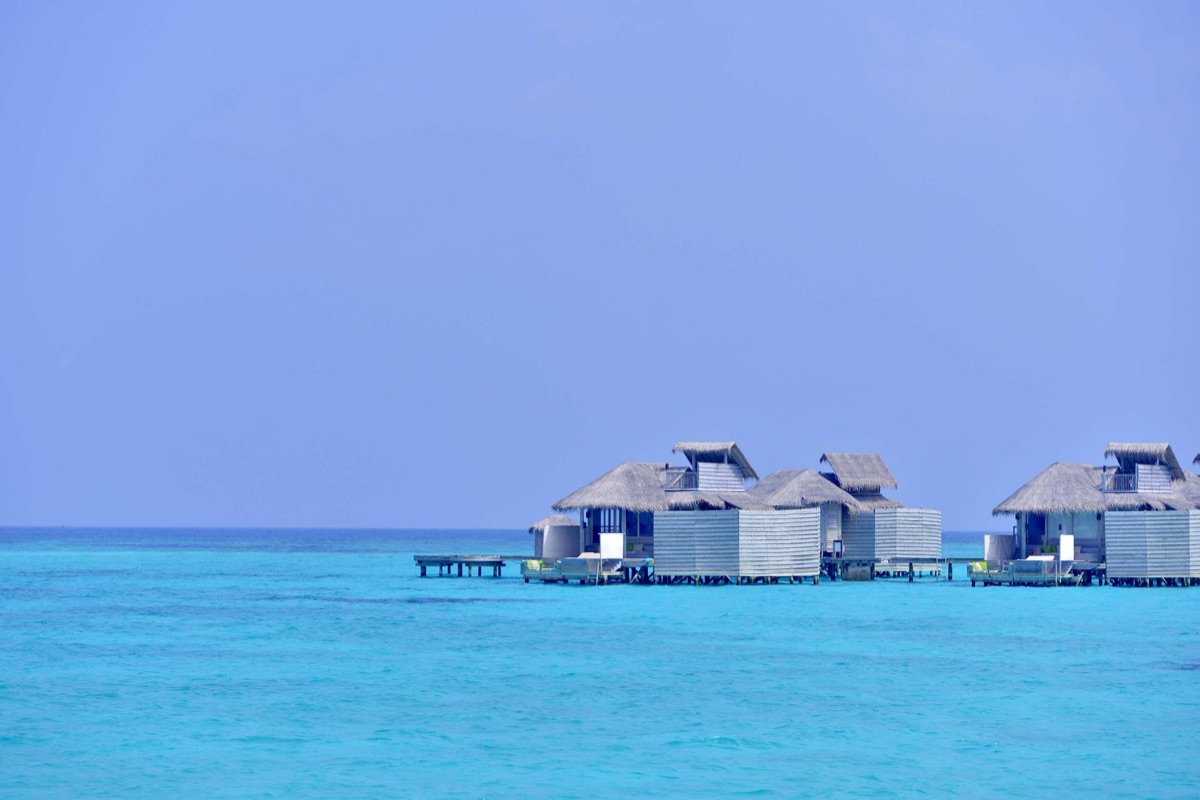
How Much Does a Maldives Trip *Really* Cost?
I remember sitting in a crowded airport lounge in 2025, looking at a travel brochure of a turquoise lagoon, and wondering if I was looking at a fantasy or a reality. The gap between a "budget" trip and a "luxury" trip in the Maldives is wider than almost any other destination on earth.
For a standard 7-night trip in 2026, a mid-range traveler might expect to spend between $3,500 and $5,000 per person, including flights. In contrast, a luxury traveler looking for premium overwater villas and private excursions should prepare for $10,000 to $20,000 or more.
The way you allocate your money changes based on your profile. In a luxury setting, accommodation often eats up 60% of the total budget, while activities and premium dining take up the rest. For a mid-range traveler, flights and transfers might take a larger slice of the pie.
One of the most significant variables is the transfer. If your resort requires a seaplane, you are looking at a significant upfront cost that can add $500 to $900 per person just to reach the island.
If you choose a resort accessible by speedboat, you save hundreds, but you might be further from the more remote, pristine atolls.
Meal plans also dictate your daily wallet weight. A Bed & Breakfast plan might look cheap on paper, but once you add a $40 cocktail or a $60 lunch, the "savings" disappear. All-inclusive plans are often the smartest way to control a budget because they lock in your food and drink costs upfront.
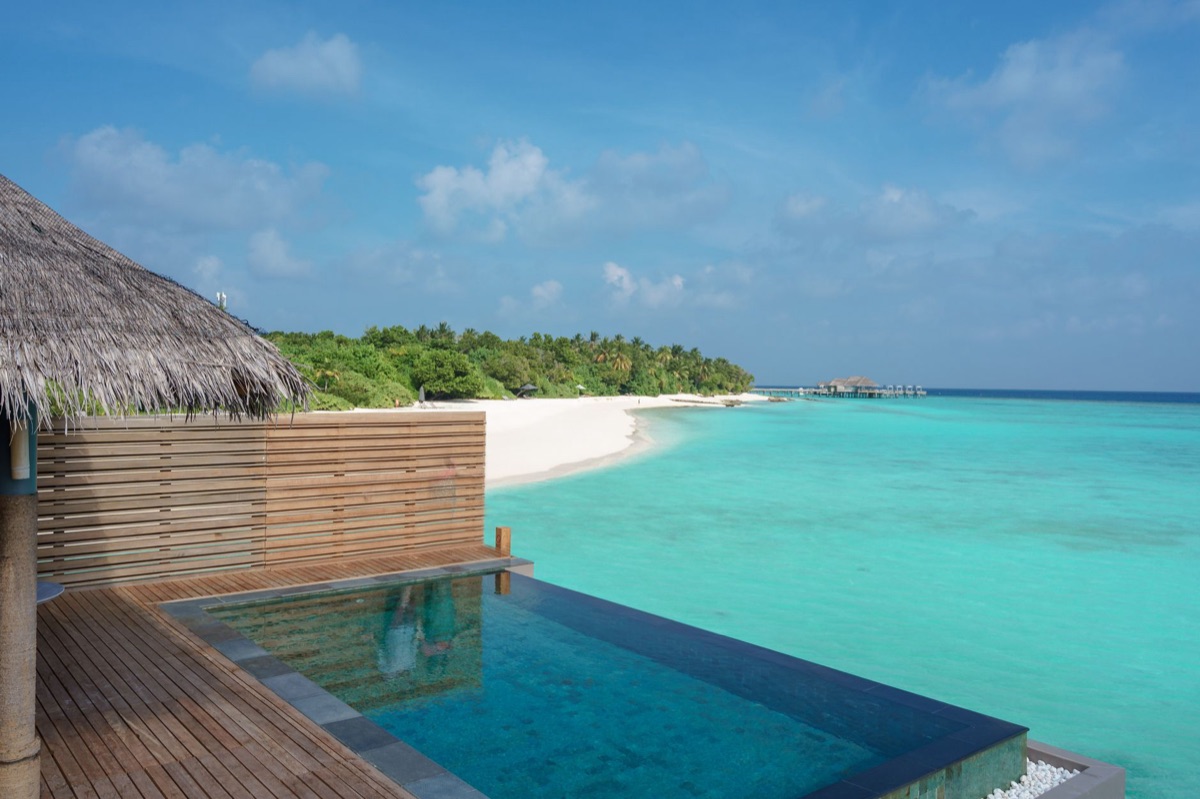
How do I find the perfect accommodation? Walking onto a wooden pier at sunrise, the sound of the water lapping against the stilts is something you never forget. But as you look at the price tag for that specific villa, you realize that the view comes with a premium.
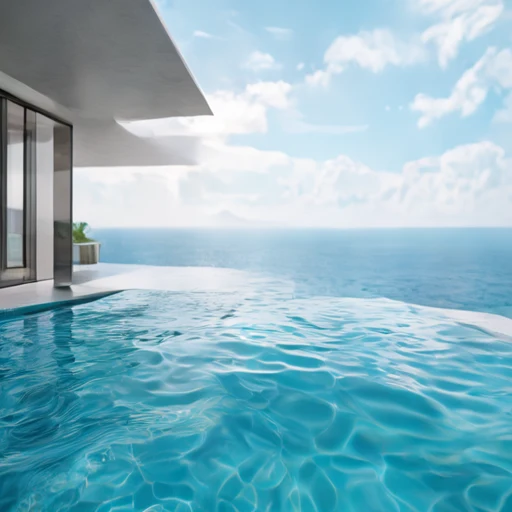
The luxury tier is designed for those seeking total privacy, often featuring high-end resorts where every detail—from the linens to the private infinity pools—is curated for honeymooners. These resorts often include premium alcohol and specialized excursions in their higher-tier packages.
If you want the "Maldives look" without the extreme price tag, the mid-range sweet spot is your best bet. These resorts often offer excellent service and beautiful house reefs for snorkeling, providing a luxury feel at a fraction of the cost of the ultra-premium brands.
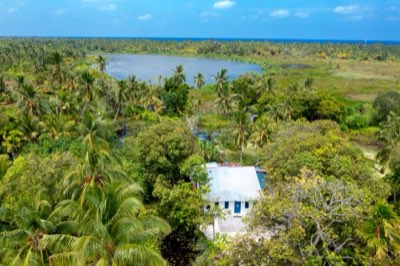
For those looking to stretch their dollar, local islands like Maafushi or Dhiffushi offer a completely different experience.
Staying in a high-quality guesthouse on a local island allows you to see the real Maldives, though you will be living within the local culture rather than a private resort bubble.
You also have to decide between a water villa and a beach villa. An overwater villa offers that iconic direct-access-to-the-ocean experience, but it is almost always significantly more expensive than a beach villa.
A beach villa often provides more space and easier access to the sand, often at a much lower price point.
How much will dining and activities cost? The smell of freshly grilled seafood wafting from a beachside restaurant is the ultimate vacation sensory experience. However, without a plan, a single dinner can easily cost as much as a domestic flight.
A common mistake is choosing a meal plan that is too restrictive. While "Half Board" (breakfast and one other meal) sounds like a deal, you will still find yourself paying heavily for snacks, drinks, and dinners.
All-inclusive is often the better value if you plan on enjoying cocktails and multiple meals daily.
Activities are another major budget line. A guided snorkeling trip to a nearby reef might cost $100 per person, while a private sunset cruise or a scuba diving excursion can climb much higher.
Always check if your resort includes basic snorkeling gear or a certain number of excursions in your package.
The "transfer tax" is a hidden reality. If you book a luxury villa that requires a seaplane, you are paying for the convenience of flight and the beauty of the aerial view. If you choose a speedboat-accessible resort, you are essentially trading time and remote beauty for budget stability.
Finally, consider the difference between the "resort bubble" and local life. Eating at a high-end resort is a curated luxury, but visiting a local cafe on a nearby island for a traditional Maldivian breakfast can be a delicious and much cheaper way to experience the culture.
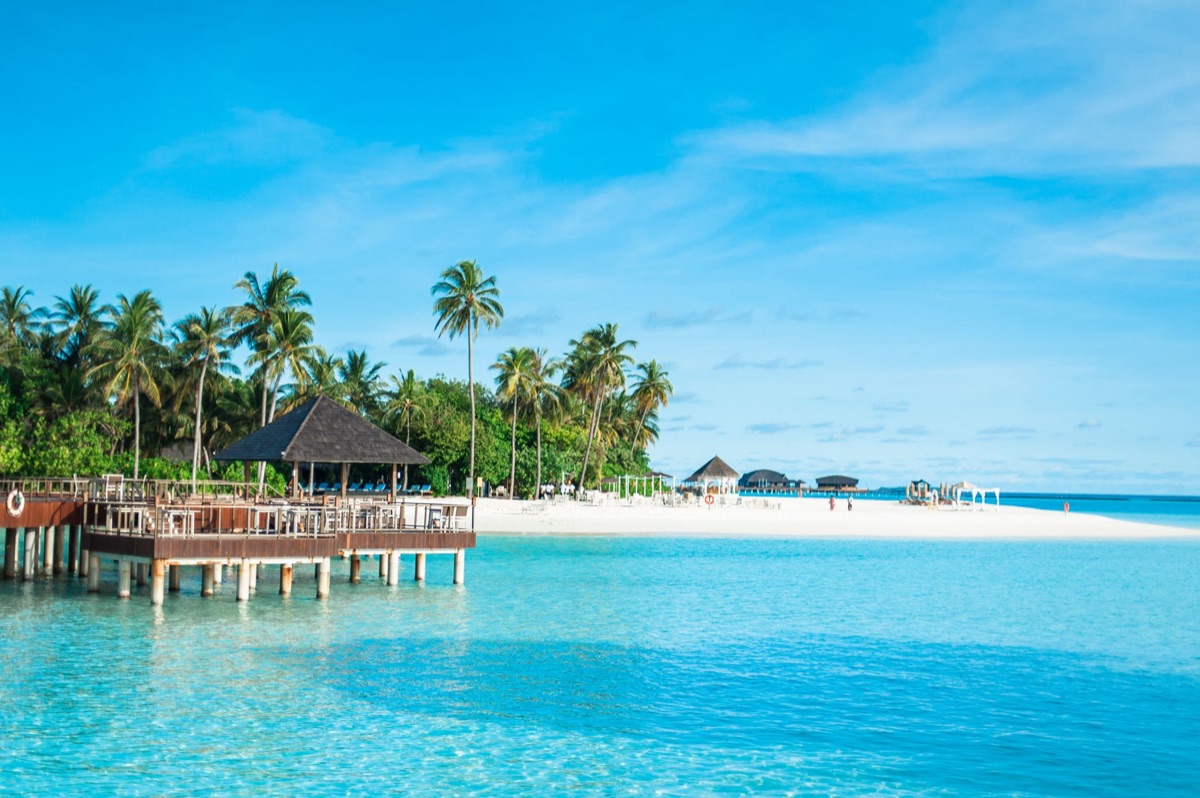
Flight & Logistics: Getting There and Around
The hum of a propeller engine as you descend toward a tiny speck of land in the middle of the ocean is a sound that stays with you. It is the moment you realize just how isolated—and beautiful—your destination truly is.
To maximize your budget, look for flights that arrive in Malé (MLE) during mid-week or during the low season. Booking several months in advance is essential for securing competitive international airfare. Once you land in Malé, the logistics become the priority.
You must choose between a seaplane or a speedboat. Seaplanes are exhilarating and offer incredible views of the atolls, but they are expensive and only fly during daylight hours.
Speedboats are cheaper and more flexible but can be a bumpy ride in rougher seas. It is also important to understand the local context. While the resorts are private islands, the Maldives is a nation with a rich, local culture.
Most resorts are on private islands, but understanding the local traditions helps you navigate the transition between the airport and your sanctuary.
The tourism industry is the backbone of the country. In 2025, the economy remained heavily reliant on visitors, with tourism accounting for a significant portion of the GDP and more than 60% of the Maldives' foreign exchange receipts.
This economic reality means that the infrastructure is heavily geared toward visitors, but it also means that prices are tied to global tourism trends.
How to Plan Your Maldives Itinerary
When I sat down at my kitchen table last year to plan my own trip, I realized that a successful vacation isn't about spending the most money; it's about organizing the logistics so you don't hit a wall halfway through.
According to World Bank, the Maldives recorded international tourist arrivals of 555,000 in 2020.
I created a checklist to keep my spending in check, and you can use this exact method to organize your own trip.
- Determine your primary travel window: Decide if you are traveling during the high season (December to April) or the low season (May to October) to set your baseline budget.
- Select your transfer type first: Choose your resort based on whether you want a speedboat or a seaplane, as this will dictate your arrival time and your base cost.
- Choose a meal plan that matches your habits: If you want cocktails by the pool every afternoon, go all-inclusive; if you prefer exploring local food, stick to breakfast-only.
- Allocate an "Excursion Fund": Set aside at least $500 per person for activities like diving, sunset cruises, or private boat tours so they don't disrupt your lodging budget.
- Finalize your "Local vs. Resort" split: Decide how many nights you will spend on a local island versus a private resort to balance culture and luxury.
| Expense Category | Budget Strategy | Luxury Strategy |
|---|---|---|
| Accommodation | Local Island Guesthouses | Private Overwater Villas |
| Transportation | Speedboat Transfers | Seaplane Transfers |
| Meal Plan | Half Board or A La Carte | All-Inclusive |
| Activities | Self-guided Snorkeling | Private Boat Charters |
To maximize your spend, timing is everything. The "high season" offers the best weather but the highest prices. Traveling during the "low season" can save you a significant amount of money, though you may encounter more rain.
Negotiation is also a tool. When booking packages that include both flights and stays, you can often find better deals than booking separately. Some resorts also offer "stay longer, pay less" promotions that are perfect for extended vacations.
Respecting local customs is vital, especially if you visit local islands. While resorts have more relaxed dress codes, local islands require modest clothing to respect the Islamic culture. Being a mindful traveler often leads to more authentic and sometimes more affordable experiences.
Finally, always set aside an "extras" budget. This covers things like tips, laundry, spa treatments, and those spontaneous souvenir purchases. Having a dedicated fund for these items prevents your main budget from being blown by a single luxury splurge.
#





Comments 0