Maafushi Travel: See Maldives for 1/3 of the Resort Price
"You don't need a private jet and a thousand-dollar-a-night villa to touch the turquoise soul of the Maldives."
Choosing a local island like Maafushi over a private resort can slash your travel expenses by two-thirds while offering a glimpse into real Maldivian life that a luxury bubble simply cannot provide.
By understanding the logistical and cultural shifts required, you can enjoy world-class snorkeling and pristine beaches on a fraction of the typical budget.
* Local islands provide genuine cultural immersion and significant cost savings compared to private resorts. * Success depends on understanding the fundamental differences in accommodation, dining, and social etiquette. * Strategic planning allows you to balance high-end bucket-list activities with affordable, authentic living.
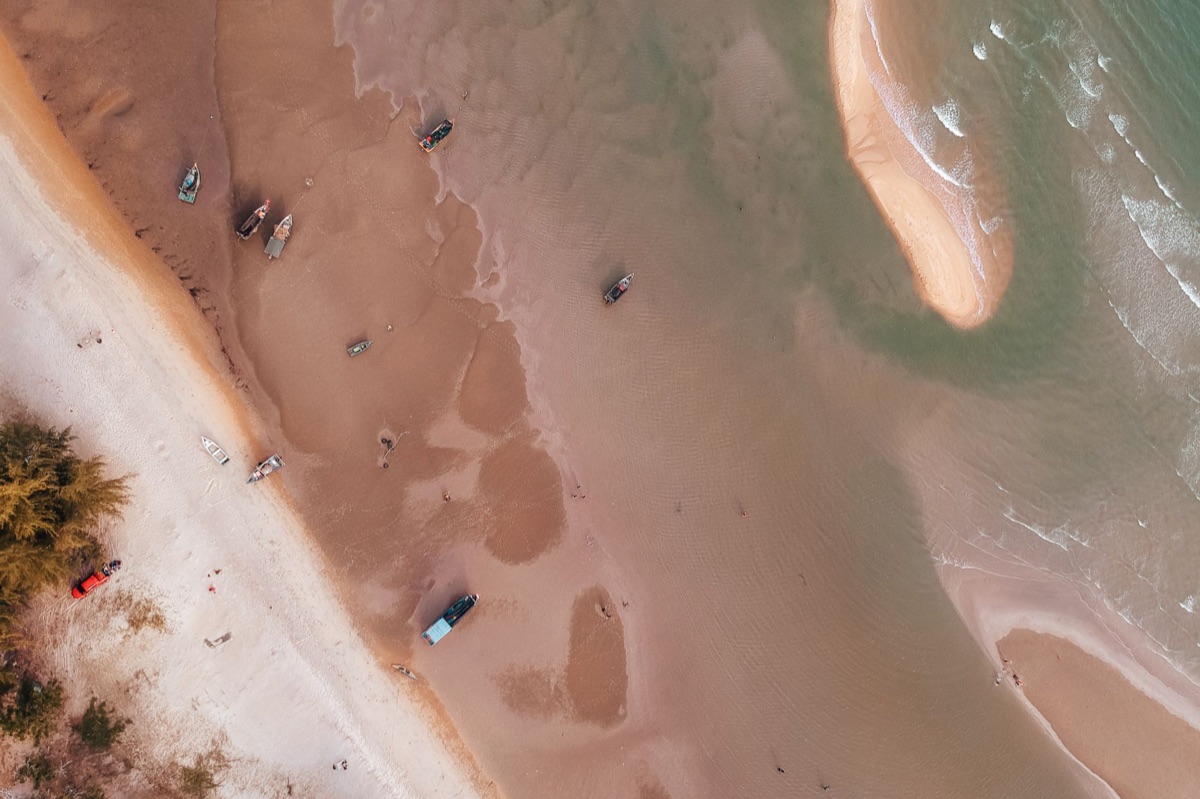
Why Consider a Local Island Over a Luxury Resort?
I remember standing on the deck of a crowded ferry in the heat of July 2025, the salt spray hitting my face as we approached the bustling docks of a local island, wondering if I had made a mistake by skipping the overwater villas.
The sheer scale of the archipelago hit me then; almost 99% of the country is covered by sea, with the remaining 1% of land scattered over an area of 800 km by 120 km, where even the largest islands rarely exceed 8 square kilometers.
In that moment, the vastness of the ocean made the choice between a tiny private island and a populated local island feel much more significant.
The primary driver for choosing a local island is the massive cost differential. In a private resort, you are paying for exclusivity, isolation, and high-end service, which often inflates prices to levels that make long-term stays impossible.
In contrast, staying on an island like Maafushi allows you to tap into a much more manageable economy.
While tourism accounts for 28% of the GDP and more than 60% of the Maldives' foreign exchange receipts, the way that money is distributed varies wildly between the resort islands and the local ones.
This choice often comes down to authenticity versus isolation. A resort is a curated, controlled environment designed to feel like a paradise disconnected from the world. A local island is a living, breathing community.
For travelers who want to see how people actually live, shop, and interact, the local island is the clear winner.
This is particularly relevant given how much the economy relies on visitors; the total damage from environmental shifts was once estimated at more than US$400 million, or some 62% of the GDP, highlighting the fragility of this island nation.
Who should choose the local route? It is perfect for backpackers, long-term travelers, and families looking to extend their stay without breaking the bank.
If you are looking for a honeymoon-only experience of pure seclusion, you might prefer a resort, but if you want to explore the atolls deeply, the local island is your gateway.
But how does the day-to-day reality actually differ once you land?
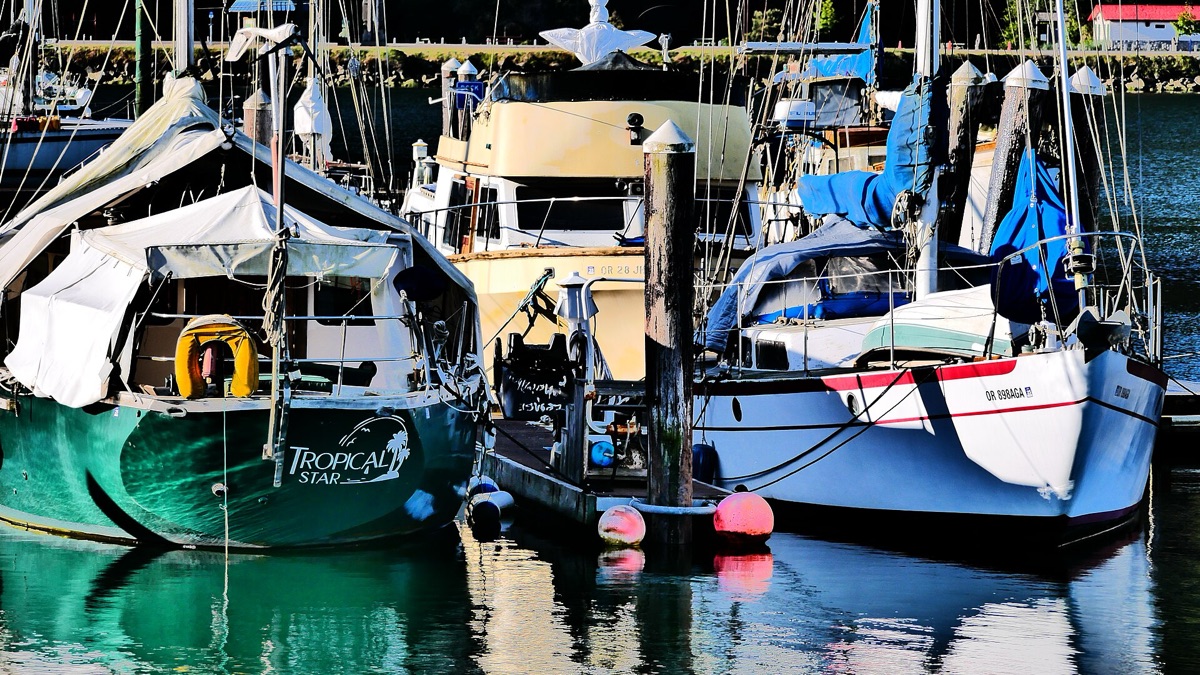
Comparing the Experiences: Resort vs. Local Island Life
Walking through a local village at sunrise in 2026, hearing the call to prayer and seeing fishermen prepare their boats, feels worlds away from the silent, manicured gardens of a luxury resort. In a resort, you are often in a beautiful but static environment.
In a local island setting, the rhythm of life is dictated by the tides, the sun, and the community.
The accommodation styles are worlds apart. In a resort, you are looking at private villas, often over the water, with dedicated staff. On a local island, you will find guesthouses and boutique local rentals.
These are clean, comfortable, and often much closer to the beach, but they lack the sprawling private gardens of a private island. You trade a private pool for a much more social and active environment.
Daily life and the pace of travel also shift. In a resort, everything is designed for ease—you eat when you want, and activities are scheduled by a concierge. On a local island, you might find yourself navigating local cafes or walking to a nearby shop for supplies.
Logistics are also different; while resorts often require expensive seaplanes or private speedboats, local islands are typically accessible via much more affordable public ferries or scheduled speedboat transfers.
| Feature | Private Resort | Local Island (e.g., Maafushi) |
|---|---|---|
| Accommodation | Private Villas / Overwater Bungalows | Guesthouses / Boutique Hotels |
| Atmosphere | Isolated, Quiet, Exclusive | Social, Vibrant, Authentic |
| Cost Level | High to Ultra-Luxury | Budget to Mid-range |
| Dining | All-inclusive / Fine Dining | Local Cafes / Guest House Meals |
| Access | Private Boat / Seaplane | Public Ferry / Scheduled Speedboat |
However, saving money is only half the battle; you also have to know how to spend it wisely.
Maximizing Your Budget: Making the Local Island Experience Work
I sat in a small, brightly colored cafe in Maafushi during a humid Tuesday afternoon in 2025, sipping a fresh juice that cost a fraction of what a cocktail would cost at a resort, and realized that the "luxury" of the Maldives isn't actually in the gold-plated faucets. It is in the water.
By spending less on a room, you can afford much more of the actual experience.
To maximize your budget, you should structure your trip by balancing your spending. Instead of paying for an all-inclusive meal plan that you might not fully use, you can eat at local eateries. This allows you to save enough to book high-quality excursions.
In the Maldives, the water is the main attraction, and you don't need a private villa to access the best reefs.
Activity planning is where the real value lies. In a resort, a single snorkeling trip can cost hundreds of dollars. On a local island, you can often find group tours that include gear, boat transfers, and even lunch for a much lower price.
However, you must plan your activities around the local schedule. For example, many boat trips depart in the morning and return in the late afternoon.
Cultural integration is another way to keep costs down and enrichment high. By learning basic local customs and respecting the community, you often find that locals are more willing to share tips on the best hidden spots or the most affordable ways to travel between islands.
Embracing the local way of life isn't just about saving money; it's about making the trip more meaningful.
But what else is waiting for you once you step off the boat and away from the tourist hubs?
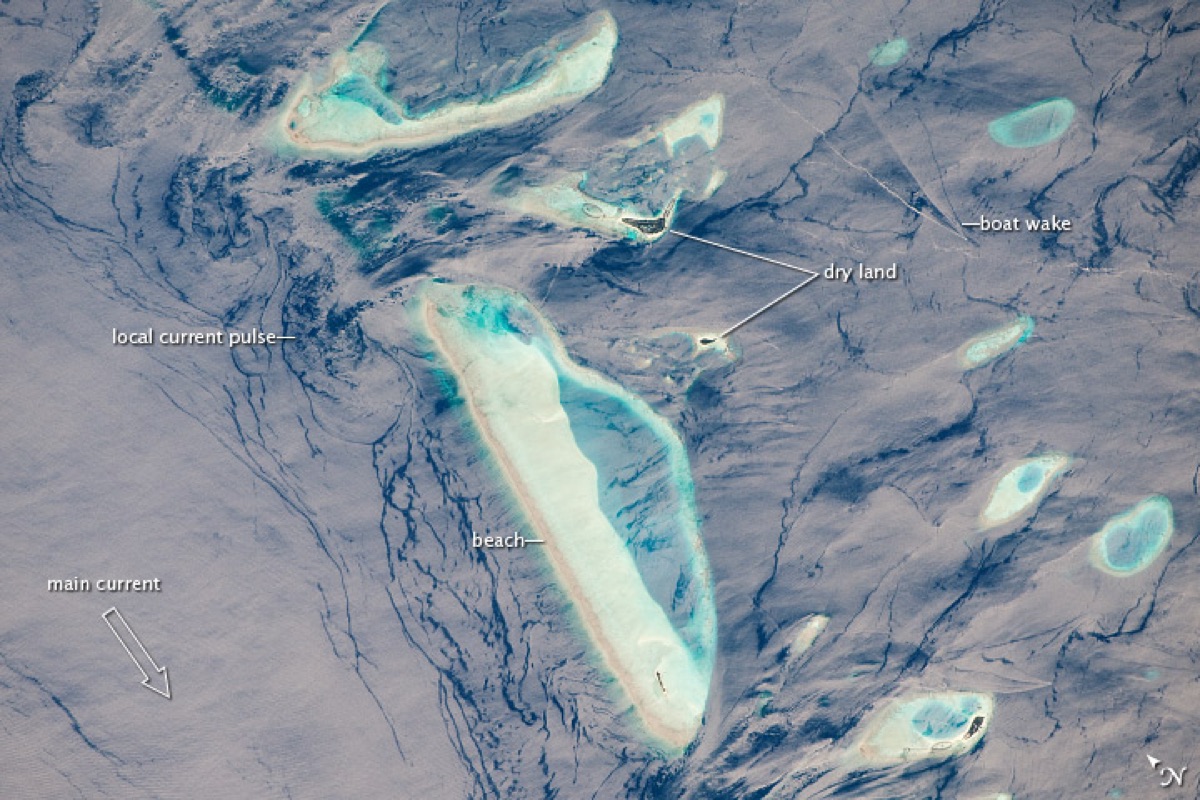
Beyond the Beach: What Local Islands Offer
The moment the boat engine cuts and you drift over a vibrant coral reef in the clear 2026 waters, you realize that the ocean looks exactly the same whether you are staying at a five-star resort or a local guesthouse. The fish don't care about your room category.
One of the greatest advantages of local islands is the access to diving and snorkeling. Many local islands are situated near significant reefs or channels that are just as beautiful as those surrounding private resorts.
In fact, because you aren't confined to a single resort's lagoon, you can often find more diverse marine life by joining group excursions that travel to different spots in the atoll.
Local encounters provide a layer of depth that is impossible to find in a resort bubble. You can visit local markets, see how traditional crafts are made, and interact with the people who call these islands home. This provides a sense of place that a private island, by design, tries to eliminate.
Sustainability and authenticity also play a role. Staying on a local island supports the local economy directly. It helps preserve the genuine Maldivian culture by allowing travelers to participate in the community rather than just observing it from a distance.
This is a more sustainable way to travel, ensuring that your presence contributes to the livelihood of the people living there.
So, how do you actually prepare for this kind of journey?
Planning Your Trip: A Quick-Start Guide
I remember looking at a map of the North Malé Atoll in the late evening of my first night in 2025, trying to figure out how to navigate the various islands, and feeling a bit overwhelmed by the sheer number of options.
It took a bit of research to understand which islands were best for travelers and which were more quiet and secluded.
According to World Bank, the Maldives recorded international tourist arrivals of 555,000 in 2020.
This trip is truly for the explorer. It is for the traveler who values experiences over status symbols, and for those who want to see the world through a different lens.
It is perfect for long-term travelers who want to stay for weeks rather than days, and for cultural enthusiasts who want to understand the nuances of an island nation.
Before you go, you must do your research. Local islands are Muslim communities, so there are specific customs to follow. This includes dress codes—you should dress modestly when walking through the village, covering shoulders and knees.
While you can wear swimwear on the designated "bikini beaches," you should always be respectful of the local culture.
Follow this checklist to get started:
- Research the Island: Check if the island has a designated bikini beach and what the local atmosphere is like.
- Book Transport: Figure out the ferry or speedboat schedules from the airport to your chosen island.
- Plan Your Stay: Look for guesthouses that offer breakfast or have easy access to local restaurants.
- Pack Respectfully: Bring modest clothing for village walks and high-quality swimwear for the beach.
- Prepare for Logistics: Carry enough cash for local spending, as ATMs can sometimes be unreliable on smaller islands.





Comments 0