Cricket & Football: Building National Pride Through Sport
"Success in sports is more than just a score; it is a declaration of presence on the global stage."
The rise of niche national teams, such as the women's football squad and the growing cricket community, reflects a modern push for Maldivian identity to move beyond the boundaries of traditional tourism.
As the archipelago engages more deeply with global structures, these athletes serve as pioneers of a new national aspiration.
* The journey reflects a push for international visibility beyond the tourism sector. * Women's football and cricket serve as tangible examples of national aspiration. * Success in these arenas builds significant national pride and global recognition.
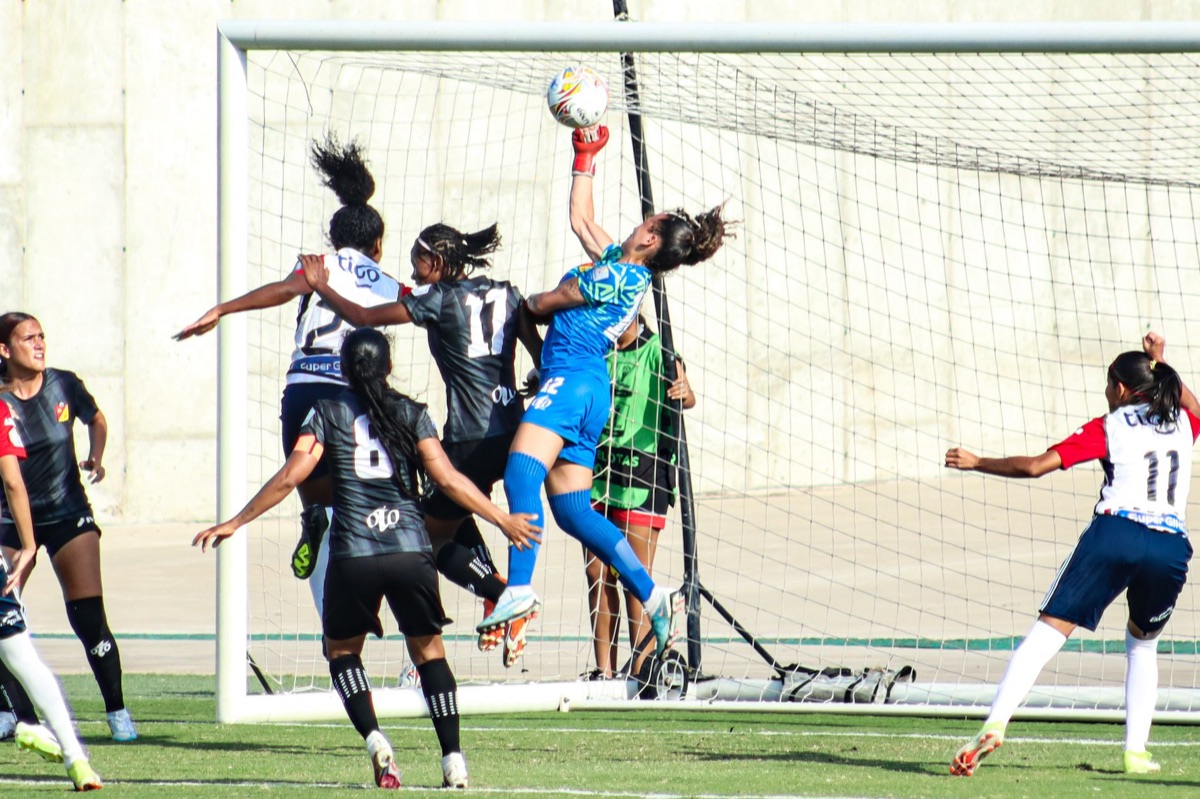
How Did Maldivian Sports Begin Their International Journey?
A dusty pitch in Malé, the heat of the midday sun, and the sound of a whistle marking the start of a new era. In the early days, sports in the Maldives were largely localized, centered around community engagement and foundational play.
In 2025, looking back at the transition, one can see how far the infrastructure has come from those simple dirt patches.
According to World Bank, the Maldives recorded international tourist arrivals of 555,000 in 2020. While that figure represents a specific moment in time, the shift toward professionalized sports represents a move toward a different kind of global engagement.
As the nation sought to establish its own identity on the world stage, the transition from casual play to structured national competition became a necessity. The crucial step in this journey was the formalization of national teams.
This meant moving from neighborhood matches to organized squads that could represent the country in international frameworks.
For many athletes, this meant transitioning from playing for fun to training for the weight of a national jersey. Initial challenges were significant.
Entering international competitive frameworks required meeting specific organizational standards, securing funding, and developing professional training regimens that were previously non-existent.
The role of dedicated athletes, often training in limited facilities, was the primary driver in pioneering these paths. They had to prove that a small island nation could produce talent capable of competing against much larger neighbors.
But as the team grew, a new question emerged regarding social dynamics.
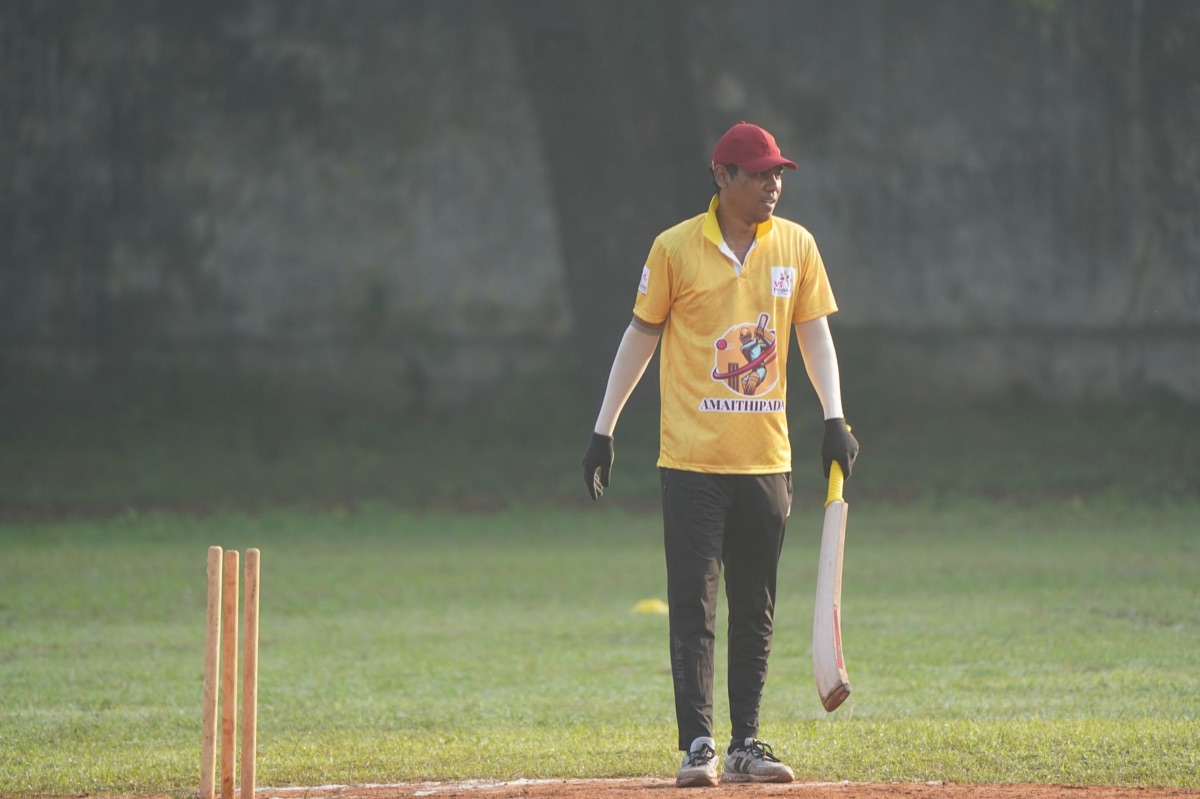
Why is the Women's Football team a modern narrative?
A group of determined young women gathers at dawn, the salt air thick as they practice drills on a pitch that feels worlds away from the professional stadiums of Europe. In the early hours of a Tuesday in 2026, the sound of cleats hitting the turf is the only thing breaking the silence of the coast.
This scene represents the growing momentum of the Maldives women's national football team.
The establishment of the squad marked a significant shift in the social and athletic landscape of the country. The team’s formation was a milestone in diversifying the nation's athletic identity.
In the early competitive phases, the focus was on building a cohesive squad that could participate in regional tournaments.
These milestones were not just about winning games but about establishing a presence in South Asian football. The impact of the women's team has been profound, shifting perceptions of Maldivian athleticism.
It demonstrated that the drive for excellence was not limited by gender and that the national sporting identity was evolving.
According to Wikipedia, the following players have been called up to a squad in the past 12 months, highlighting the ongoing cycle of talent identification and team building.
This constant rotation of talent ensures that the team remains a living, breathing entity rather than a static group of players.
The dedication of these athletes has laid the groundwork for future generations to step onto the pitch with confidence. However, while football relies on widespread access, another sport is building its own empire through entirely different means.
What is the real difference in Cricket's global stage?
The rhythmic sound of leather hitting willow echoes across a field, a stark contrast to the splashing waves of the nearby lagoon. In the late afternoon of a humid July, the crack of the bat sounds sharper than any other noise in the district.
For the Maldivian cricket national team, the sport represents a different kind of challenge—one that requires specific equipment, specialized pitches, and a different tactical mindset than football.
Tracing the involvement of the national cricket team reveals a history of participation in international tournaments and qualification cycles. Unlike football, which has a deep-rooted popularity, cricket required building a specialized infrastructure from the ground up.
The team has worked to project a national presence abroad through various ICC-sanctioned events and regional qualifiers.
The unique challenges faced by cricket in the Maldives involve the scarcity of dedicated cricket grounds and the logistical difficulty of maintaining specialized playing surfaces in a tropical maritime climate.
Despite these hurdles, the team has used international tournaments to showcase Maldivian talent to the global cricket community.
According to Wikipedia, this lists all the players who played for Maldives in the past 12 months or were named in the most recent squad, illustrating the current state of the team's talent pool.
This level of engagement shows that the Maldives is no longer just a spectator in the global cricket arena but an active participant. But how do athletes actually manage the transition to this level of play?
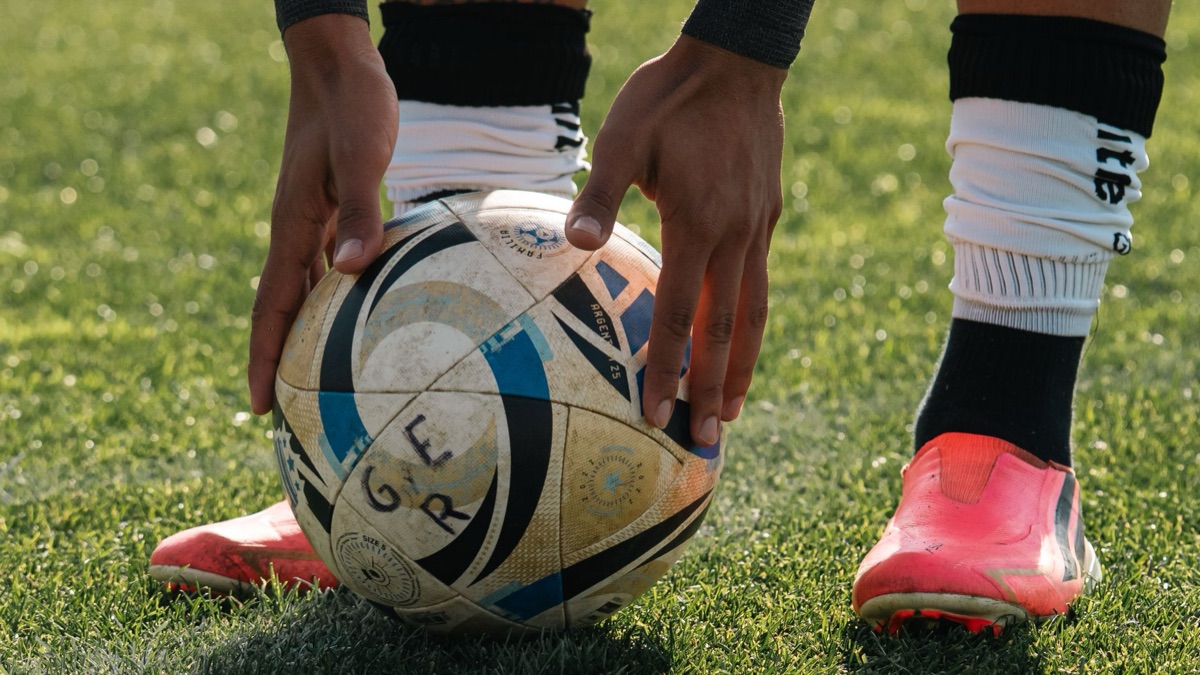
How do athletes navigate the hurdles of professionalization?
A player sits on a bench, wiping sweat from her brow while looking at a worn-out pair of cleats, wondering how to prepare for a match against a much larger opponent. In the quiet of a locker room in 2026, this moment of reflection is a common sight.
This captures the reality of many Maldivian athletes: the struggle against limited resources and the sheer dedication required to maintain competitive standards.
The transition from a local focus to global competitive demands is a massive leap. Athletes must move from playing against neighbors to facing professional-grade opponents. This requires not just physical strength but also tactical sophistication and mental toughness.
| Challenge Category | Specific Impact on Athletes |
|---|---|
| Infrastructure | Limited access to professional-grade pitches and training facilities. |
| Resource Scarcity | High costs of specialized equipment and travel for international matches. |
| Professionalism | The difficulty of transitioning from amateur status to full-time training. |
| Geographical Isolation | High costs and logistical hurdles of traveling to international tournaments. |
Sustained governmental and organizational support is vital to overcoming these hurdles. Without structured funding and long-term planning, the progress made by these national teams could easily stall.
The ability to maintain high standards across different sports depends on building a sustainable ecosystem that supports athletes both at home and abroad.
When I watched a local practice last year, I noticed how much of the training was done on makeshift equipment, yet the intensity was higher than many professional leagues I have seen. It made me realize that the path to success requires a very specific roadmap.
To move from amateur to professional, athletes generally follow this progression:
- Local Club Integration: Joining community-based teams to build fundamental skills and tactical awareness.
- National Selection: Participating in regional trials to earn a spot in the national talent pool.
- International Exposure: Competing in sanctioned tournaments to gain experience against diverse playing styles.
- Professional Training Regimens: Implementing structured strength, conditioning, and tactical study.
- Global Qualification: Aim0ing for high-level international tournaments and professional league opportunities.
Beyond the pitch: What is the broader impact of success?
A young child watches a national team match on a small screen, eyes wide with admiration, seeing a version of their own future in the players on the field. In a crowded living room in Malé, this silent moment of inspiration is where the true value of sport lies.
This is the intangible but powerful impact of sporting success: the creation of role models and the building of national pride.
These teams contribute to the own narrative by showing that the Maldives is a multifaceted nation. They serve as cultural ambassadors, proving that the country's identity is not solely defined by its beautiful reefs and luxury resorts, but also by its people and their competitive spirit.
The parallel between the structured development of these teams and the archipelago's own modern development is clear. Just as the nation has modernized its economy and infrastructure, its sporting bodies are attempting to professionalize and integrate into global networks.
As these athletes continue to push boundaries, they pave the way for mainstream acceptance and future scaling. The aspiration is to move from being a participant to being a consistent competitor, ensuring that the Maldivian flag is recognized in stadiums around the world.





Comments 0