Maldives Dining: AI vs. HB to Maximize Your Vacation Value
"Don't let a surprise dinner bill ruin your sunset mood; choosing the right meal plan is the difference between pure relaxation and constant math."
Deciding between an All-Inclusive and a Half Board plan in the Maldives can feel like a high-stakes gamble. One choice promises a worry-free paradise, while the other offers flexibility but carries the risk of hidden costs.
* Goal Alignment: Choose All-Inclusive (AI) for predictable budgeting and constant access to drinks/snacks. * Flexibility vs. Value: Choose Half Board (HB) if you plan to spend your days exploring local islands or want to dine at specialty restaurants without a preset menu. * The Hidden Variable: Always verify if "All-Inclusive" includes premium spirits or specific fine-dining venues, as these are common upselling points.
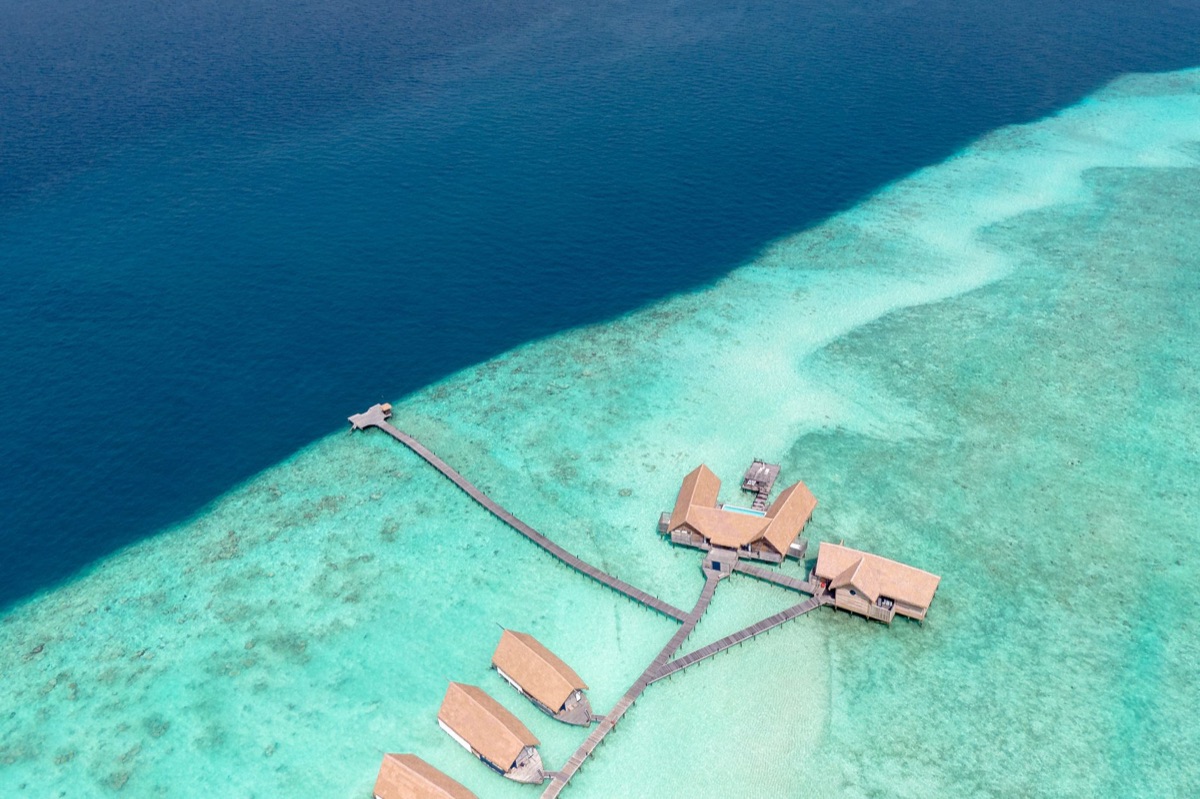
Understanding the Dining Plans: AI vs. HB in Detail
I remember sitting on a wooden deck in North Ari Atoll in July 2025, watching the sun dip below the horizon while staring at a cocktail menu that looked more like a textbook. The warm breeze hit my face as I realized that a single drink cost as much as a week of groceries back home.
The sheer variety of prices made me realize that a "meal plan" isn't just about food; it's about the level of mental freedom you have during your vacation.
All-Inclusive (AI) is designed to be a complete bubble. It typically covers breakfast, lunch, dinner, and a wide array of beverages, including soft drinks and sometimes even cocktails. However, the "catch" usually lies in the fine print.
Some resorts limit AI to buffet-style meals only, meaning if you want to sit down for a private candlelit dinner or order a specific vintage wine, you will face significant surcharges. In 2026, many luxury properties have tightened these rules to protect their margins.
Half Board (HB) is a more streamlined approach, usually covering breakfast and dinner. This is often the base rate for many luxury resorts. It is perfect for travelers who intend to sleep in, head out for a long morning of snorkeling, and only return to the resort for a substantial evening meal.
The "Hidden Costs" trap is where many travelers lose their budget. Even with an All-Inclusive plan, you might find that certain premium spirits, spa treatments, or motorized water sports are excluded.
If you choose Half Board to save money upfront, you must account for the cost of lunch, snacks, and every single drink you order throughout the day. In the Maldives, a single cocktail can easily cost $25 to $45, which can quickly add up to $150 per day for a couple.
| Feature | All-Inclusive (AI) | Half Board (HB) |
|---|---|---|
| Primary Inclusions | All meals + most beverages | Breakfast and Dinner |
| Budget Predictability | High (mostly fixed) | Moderate (requires daily tracking) |
| Best For | Honeymooners & Relaxers | Explorers & Adventurers |
| Risk Factor | Overpaying for unused perks | High daily spending on extras |
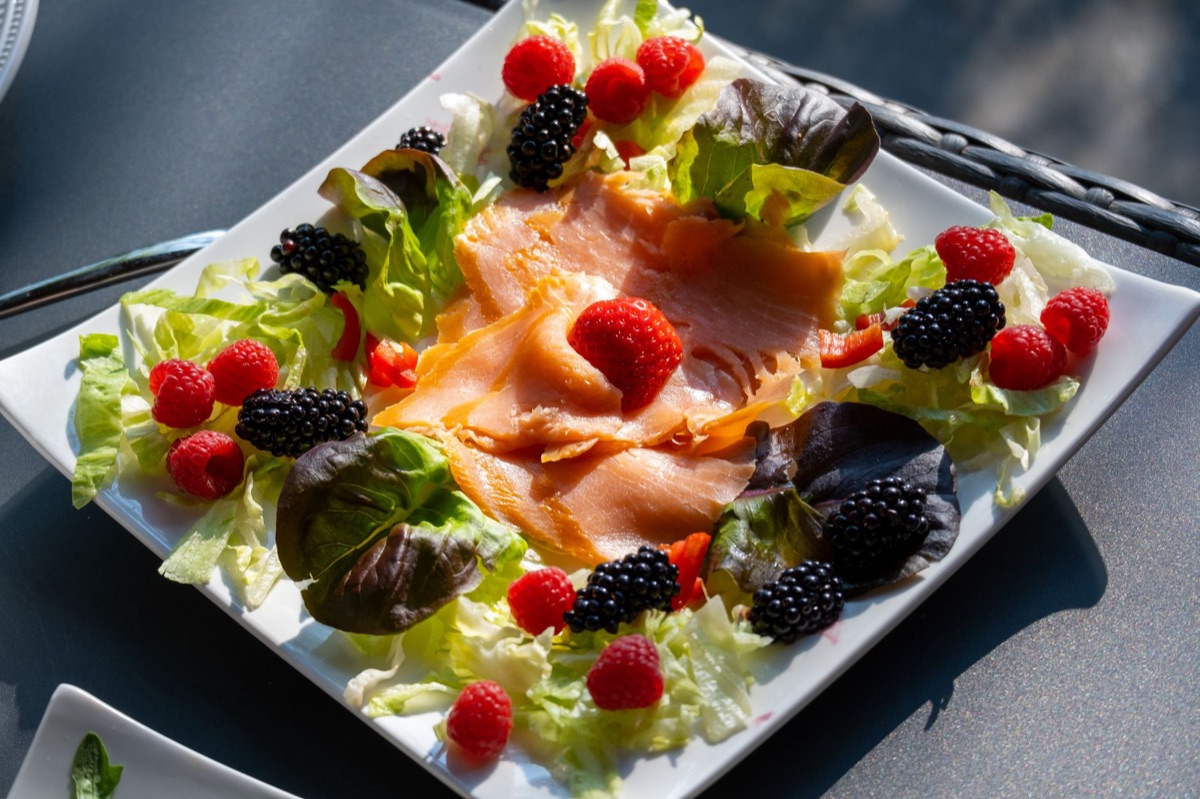
Resort Profiles: How Different Properties Implement These Plans
Walking through the lobby of a high-end luxury resort in Baa Atoll at 2:00 PM, you notice that "All-Inclusive" is often marketed as a premium tier rather than a standard option. In these top-tier properties, the AI plan is structured to maintain exclusivity.
They might include access to a private beach club or a specific fine-dining venue, but they will almost certainly exclude top-shelf spirits or private villa dining. In this environment, you aren't just paying for food; you are paying for the privilege of not having to look at a menu.
In contrast, mid-range or value-focused resorts often use a different strategy. Their AI plans might be much more generous with food variety, but the quality of beverages might be limited to house brands.
You might find yourself in a situation where the buffet is excellent, but the cocktails are basic. In these resorts, the line between a "budget" plan and a "luxury" plan blurs, and you have to decide if you are willing to pay extra to upgrade your drink selection.
Then there is the local island experience. If you stay at a guesthouse on an inhabited island like Maafushi or Dhiffushi, you won't find "All-Inclusive" in the traditional sense. You will eat at local cafes and restaurants.
This is the ultimate way to save money and experience authentic Maldivian flavors, but it requires much more coordination and lacks the seamless service of a private resort. But how do you know which one actually fits your personality?
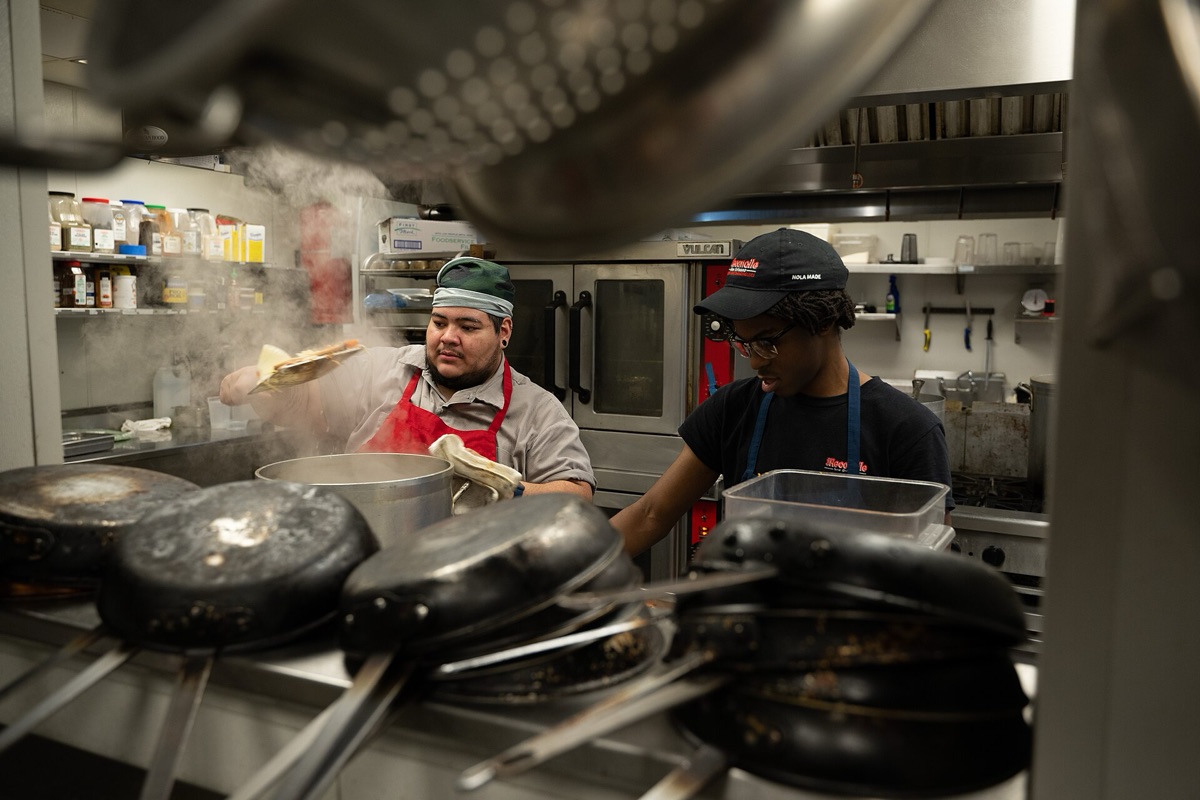
Making the Match: Who Should Choose Which Plan?
I once traveled with a group in early 2026 where one person wanted to spend every waking second in the water, while another wanted to spend the afternoons reading in the air-conditioned lounge. We quickly realized that a single meal plan wouldn't work for everyone in our group.
The Predictability Seeker should almost always choose All-Inclusive. If you are on a honeymoon or a milestone anniversary, the last thing you want to do is argue over a bill or calculate the cost of a second round of drinks.
For travelers staying five nights or longer, the compounding cost of individual meals can quickly exceed the upfront cost of an AI package. It provides a psychological "safety net" that allows you to truly let go.
The Explorer or Adventurer is better suited for Half Board. If your itinerary involves daily excursions—such as guided diving trips, sandbank picnics, or visiting neighboring islands—you will likely miss lunch at the resort.
In this case, paying for an All-Inclusive plan is essentially paying for a meal you won't eat. For these travelers, paying for lunch and snacks à la carte provides much better value and flexibility.
Finally, consider your own habits. Are you a connoisseur who will hunt for the perfect vintage wine, or are you satisfied with a refreshing juice and a hearty buffet? If you are a heavy drinker or a constant snacker, AI is your friend.
If you only eat two substantial meals a day and mostly stick to water or coffee, HB will save you significant money. But there is another layer to the budget that most people forget until they check out.
Beyond the Meal: Dining Plan Synergy with Activities
When you look at your total vacation budget, you cannot separate the food from the activities. In many well-structured resorts, the All-Inclusive package is bundled with certain activities, such as a daily snorkel trip or a non-motorized water sports session.
In these cases, the "cost" of the meal plan is actually subsidizing your entertainment.
However, you must also consider the "Transfer Factor." The cost of getting to your resort via seaplane or speedboat is a significant portion of your budget. If you are paying a premium for a remote resort via seaplane, you are already in a high-cost environment.
In such locations, the price of a single meal can be astronomical, making an All-Inclusive plan almost a necessity to prevent "sticker shock" at checkout.
To make the right choice, follow these steps:
- Analyze your itinerary: Will you be at the resort for most meals, or will you be out exploring?
- Check the beverage list: Does the AI plan include the brands you actually like, or is it all "house" labels?
- Compare the "Add-on" costs: Ask the resort exactly how much a lunch or a specialty cocktail costs if you are on a Half Board plan.
- Evaluate your group dynamic: Are you traveling solo, as a couple, or in a group with different spending habits?
- Calculate the "Breakeven" point: Total the cost of your planned excursions and compare it to the price difference between HB and AI.
Ultimately, the perfect plan is the one that prevents you from checking your bank account during your vacation. Whether you choose the seamlessness of All-inclusive or the flexibility of Half Board, ensure you have read the fine print so your only focus remains on the turquoise horizon.
#







Comments 0