13 mm tuna: Authentic Maldives food guide for travelers
"To taste the true spirit of the islands, one must look past the luxury resorts and toward the traditional kitchens where the sea meets the plate."
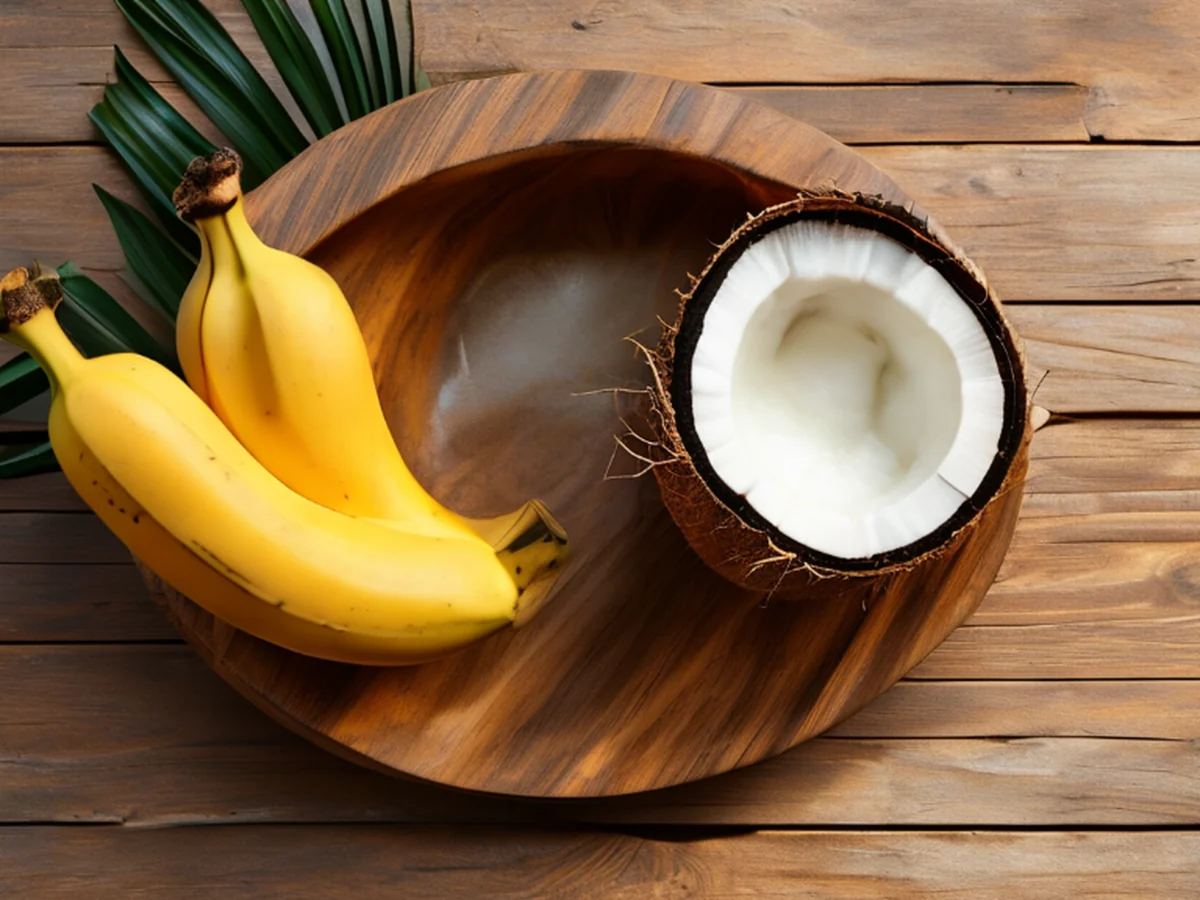
An authentic Maldives food guide focuses on the fresh, salt-sprayed flavors of the ocean and the staple ingredients that define island life. To eat like a local, you should seek out tuna-based dishes and coconut-infused flavors that reflect the nation's maritime heritage.
This guide covers the essential ingredients, traditional preparation methods, and how to navigate island flavors during your travels.
What makes a Maldives food guide truly authentic? At sunset on the breezy pier, the chef slices thick pieces of tuna with a sharp knife.
A chef stands over a wooden cutting board, slicing fresh fish with practiced precision. The essence of an authentic Maldives food guide lies in the heavy reliance on tuna and coconut, which are central to the local diet.
Because the islands are surrounded by vast oceans, seafood is the primary protein source for every household.
In order to make curries, the raw or the still-soft processed tuna is cut into 1⁄2-inch-thick (13 mm) sections. This specific cutting technique ensures that the meat absorbs the rich spices of a traditional curry while maintaining a hearty texture.
Eating with locals Maldives travelers will find that this preparation is a cornerstone of daily meals.
The limited land area means that much of the diet is sourced from the sea rather than large-scale farming.
This balance of land and sea shapes the unique culinary identity of the archipelago.
An authentic guide focuses on the intersection of maritime tradition and island resourcefulness, prioritizing seasonal catches and coconut-based staples over imported luxury goods.
How can you master real Maldives local cuisine? Authentic Maldives food guide
Late at night in the warm kitchen, I practice curling my fingers around the spicy scent of smoked tuna.
A traveler sits on a woven mat, waiting for a steaming bowl of spicy fish curry to arrive. Mastering real Maldives local cuisine involves understanding the interplay between heat, starch, and seafood.
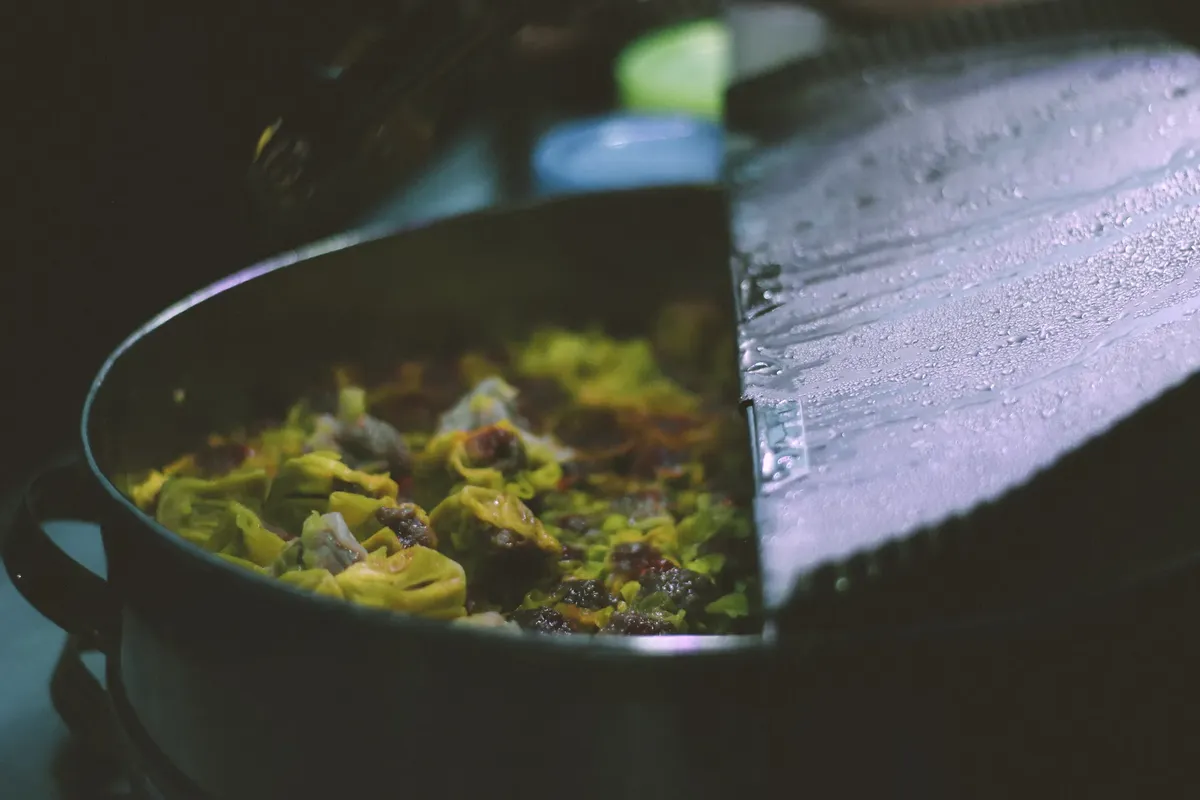
Most meals are built around a base of rice or flatbreads, which serve as the perfect vessel for flavorful sauces.
One must look for dishes that utilize the natural bounty of the reefs. Because many islands are low-lying, much of the fresh produce is supplemented by what can be grown or preserved locally. Exploring these traditional flavors requires an openness to spices that are both pungent and aromatic.
The ritual of dining often involves communal eating or simple, hearty portions meant to sustain workers. For those seeking a Maldives street food tour, finding small stalls that serve tuna-based snacks can provide a glimpse into everyday life.
These snacks often use the same thick-cut tuna found in more formal settings.
- Learn to balance the heat of dried chilies with the creaminess of fresh coconut milk.
- Master the art of preparing tuna in various textures, from smoked to fresh.
- Understand the importance of starch-based accompaniments like rice and flatbreads to complement spicy flavors.
According to World Bank, the 2024 record includes 19.8%.
What are the best local food tips for my trip? A visitor walks through a vibrant local market, smelling the aroma of dried fish and spices. Finding the best local food tips often means venturing away from the high-end resorts to find community-based eateries. These spots offer the most genuine connection to the island's culinary soul.
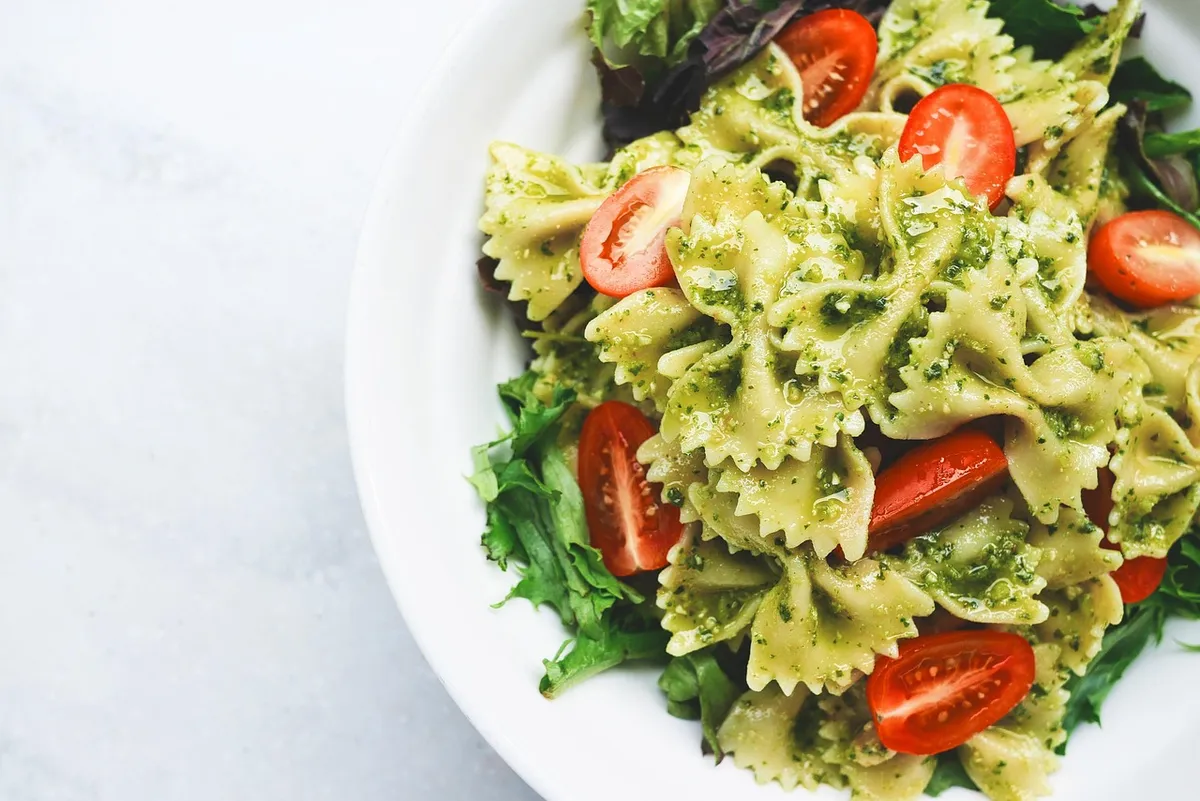
When looking for authentic island flavors, prioritize seasonal availability and local fishing catches. Since the islands are highly dependent on the sea, the quality of the tuna is a primary indicator of a good meal.
Most traditional dishes are designed to be eaten with hands or small spoons, making the experience tactile and social.
You should also consider the geographical context of your meal. For example, different atolls may have slight variations in how they season their seafood. Understanding these subtle shifts helps you appreciate the depth of the regional food culture.
Seek out small, family-run eateries on inhabited islands to experience genuine flavors, and always try the daily catch to ensure maximum freshness.
How to eat like a local in the islands?
A guest joins a local family for a midday meal, watching as they share large platters of food. Learning how to eat like a local requires observing the social etiquette of the dining table. In many communities, meals are a shared experience that emphasizes hospitality and respect.
First, observe how the locals handle their food, especially when using bread or rice to scoop up curries. Second, try the various textures of tuna, from the soft, processed versions to the firm, freshly cut pieces.
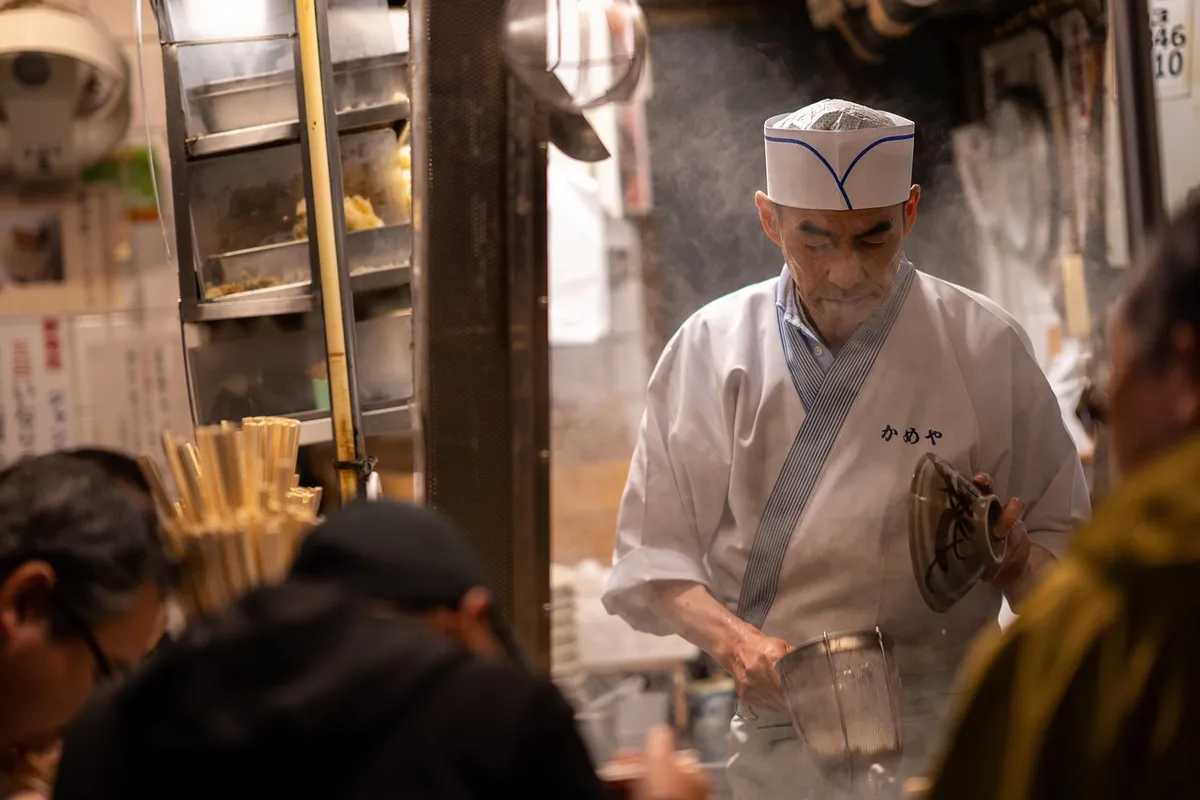
Third, always be willing to try the spice levels offered, as they can vary significantly between households.
I once sat in a small seaside cafe, watching a fisherman prepare a simple meal of sliced tuna. It was a reminder that the most profound flavors often come from the simplest ingredients.
If you are dining in a very traditional setting, be mindful of local customs regarding serving order and the use of your right hand. This simple check ensures you remain a respectful guest while enjoying the meal.
Incorporate more breakfast-style dishes like mas huni into your daily routine and embrace the communal nature of sharing meals in local cafes.
Comparing traditional ingredients and preparation
A cook prepares two different styles of tuna dishes side by side on a bright kitchen counter.
| Feature | Traditional Curry Preparation | Freshly Sliced Tuna |
|---|---|---|
| Thickness | Variable depending on sauce | 1⁄2-inch-thick (13 mm) |
| Primary Use | Slow-cooked stews | Immediate consumption or light seasoning |
I found that comparing the thick-cut tuna to the more processed versions helped me understand the versatility of the local staple.
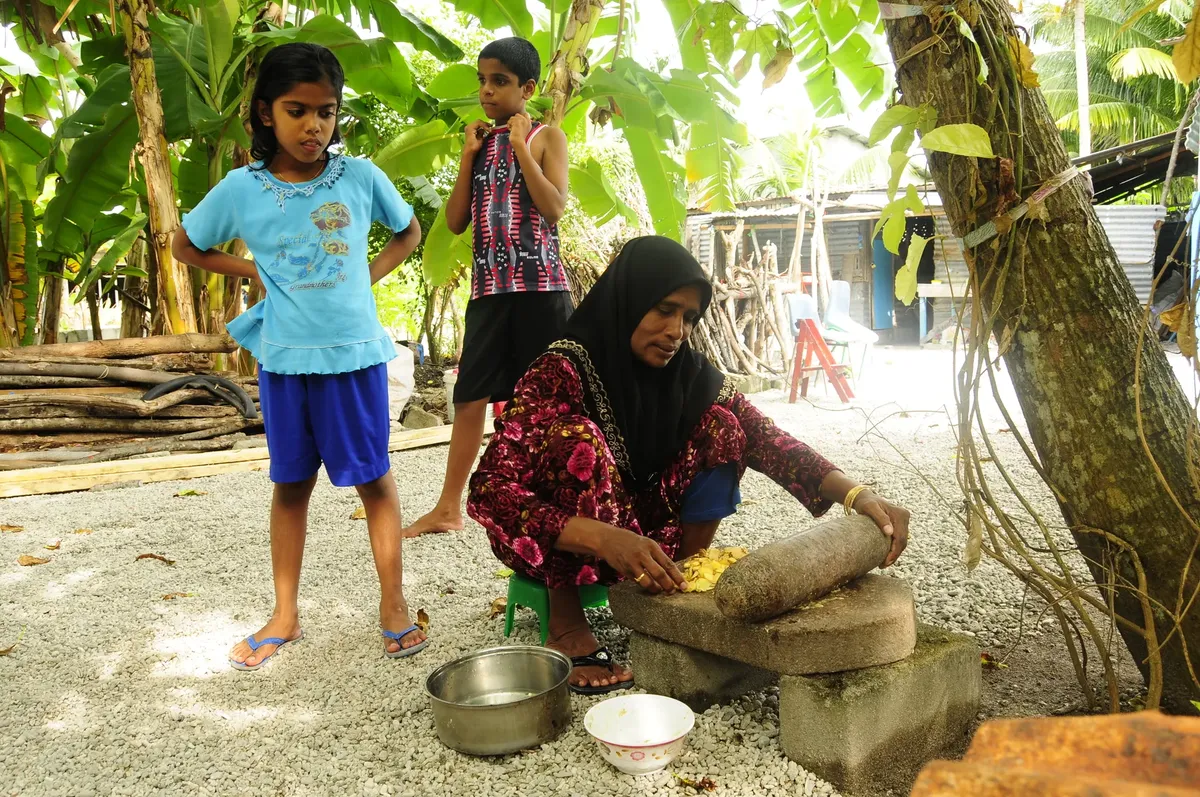
Traditional methods rely heavily on sun-drying, stone-grinding, and slow-simmering, contrasting sharply with the modern, high-heat cooking found in international resorts.
What are the limitations of local food availability?
A sudden tropical rainstorm clears the market stalls, leaving only a few vendors behind. One limitation to consider is that much of the fresh produce is subject to the challenges of island geography and climate.
Because more than 80% of the Maldives' 1,190 coral islands sit less than 1 meter above sea level, the environment is highly sensitive. This low-lying nature can affect the availability of certain land-based ingredients during extreme weather or rising sea levels.
Due to the remote geography of the atolls, availability is strictly dictated by fishing seasons and the logistical challenges of importing fresh produce from larger islands.
The same subject is also called Local food in Maldives.
Related




Comments 0