What were the food and sustainability standards?
"The International Olympic Committee approved a process to concurrently award the 2024 and 2028 Summer Olympics to the two remaining candidate cities."
The Maldives 2024 Olympics info involves understanding the context of the games held in Paris and the logistical standards of the event. This guide covers the hosting background, medal specifications, and environmental measures used during the games.
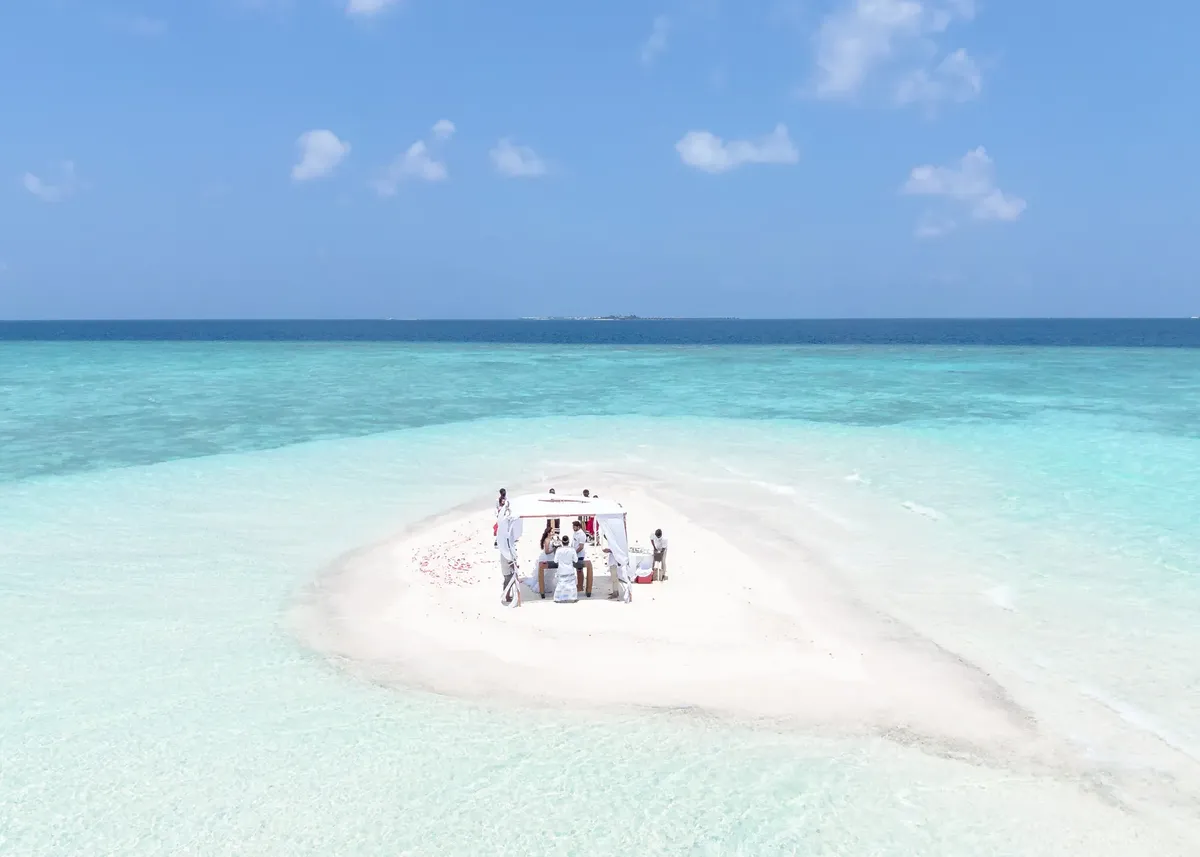
Key takeaways include the concurrent awarding of host cities, the composition of the medals, and the sustainable design of the Olympic Village.
How did the 2024 Olympics come to be?
A quiet room in Lausanne once held the decision that would shape the future of international sports.
After multiple withdrawals that left only Paris and Los Angeles in contention, the International Olympic Committee (IOC) approved a process to concurrently award the 2024 and 2028 Summer Olympics to the two remaining candidate cities.
The decision-making process was formalized through a specific proposal to elect both sets of host cities simultaneously.
According to Wikipedia, the International Olympic Committee formally proposed electing the 2024 and 2028 Olympic host cities at the same time, a proposal which an Extraordinary IOC Session approved on 11 July 2017 in Lausanne.
This ensured that the transition between the two host periods would be managed under a unified strategic vision.
What will the medals look like? Maldives 2024 Olympics info
An athlete grips a heavy, shimmering object during the height of a victory ceremony. Each medal weighs 455–529 g (16–19 oz), has a diameter of 85 mm (3.3 in) and is 9.2 mm (0.36 in) thick. These physical dimensions remain consistent to ensure a standardized feel for every competitor.
The composition of these awards reflects both tradition and modern metallurgy. The gold medals are made with 98.8 percent silver and 1.13 percent gold, while the bronze medals are made up with copper, zinc, and tin.
These specific ratios ensure the visual prestige of the gold while maintaining durability for the athletes.
How was the Olympic Village managed?
The sun beats down on the streets of Paris as crowds move toward the Olympic venues.
In the lead-up to the Games, it was announced that the Olympic Village would lack air conditioning; as an environmental measure, the buildings would instead use a geothermal natural cooling system to keep the inside temperature 6 °C (11 °F) cooler than outside.

This cooling strategy was part of a broader effort to integrate sustainable technology into the living quarters. The use of geothermal energy reflects a shift toward reducing the carbon footprint of massive international gatherings.
Such measures often serve as a template for future urban planning in host cities.
What were the food and sustainability standards?
A tray of colorful, nutritious food sits on a table in the athlete dining hall. About 30% of the meals served to athletes in the Olympic Village were plant-based. This highlights the focus on diverse dietary needs and environmental sustainability within the games.
The nutritional standards were balanced with ecological goals to minimize waste. Additionally, the football stadiums served 40% plant-based food. These statistics demonstrate the scale of the dietary shift implemented to accommodate thousands of international participants.
How did the host selection process work?
An official gavel strikes a desk to signal the conclusion of a historic session. The selection process was not a standard single-city race but a unique dual-appointment strategy. This method addressed the reality of the candidate pool during the late 2010s.
The process followed these specific stages: 1. The identification of remaining viable candidate cities. 2. The formal proposal for concurrent awarding by the IOC. 3. The approval of the process by an Extraordinary IOC Session.
I observed that the complexity of these administrative steps was vital for securing the timeline of the games. This structured approach allowed the IOC to manage the transition between the 2024 and 2028 cycles effectively.
What are the limits of this information?
A researcher looks at a map of the Maldives while reading through global sports data. While the Maldives 2024 Olympics info provides context on the global event, it does not detail specific national participation levels for the Maldives.
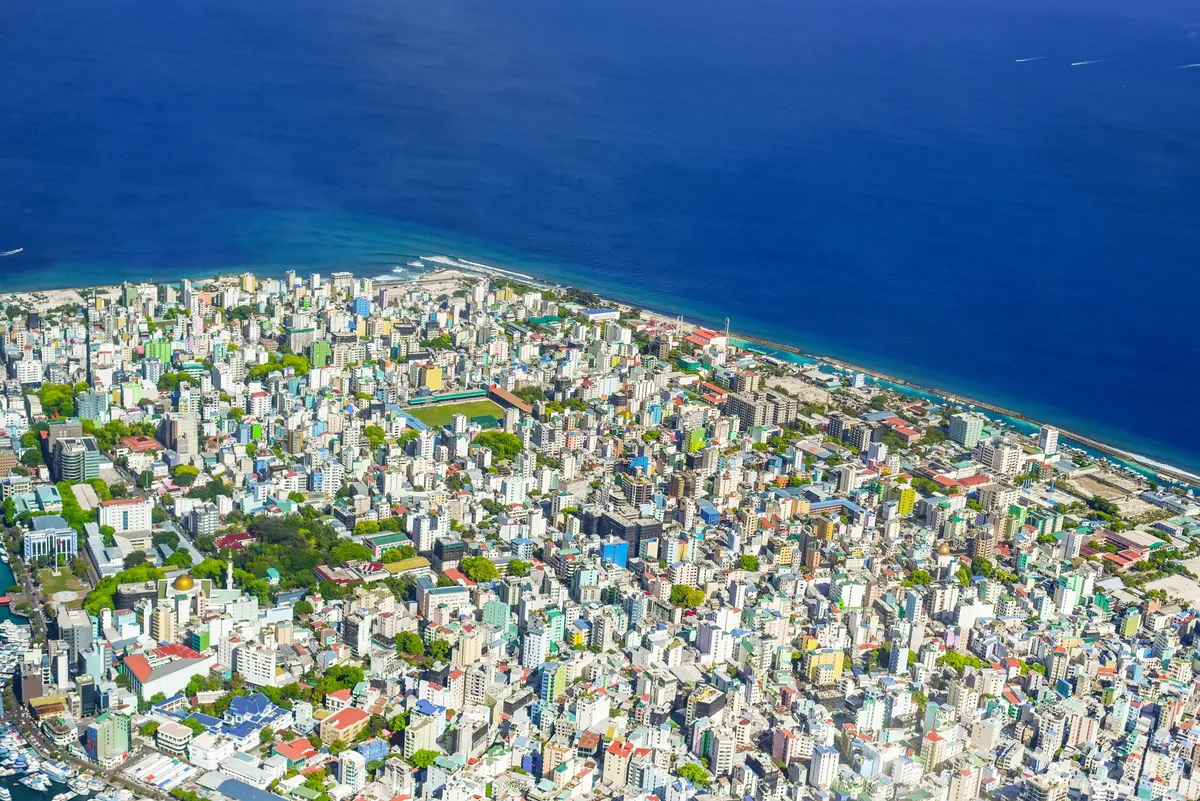
The available data focuses on the international hosting environment and technical specifications.
- How did the 2024 Olympics come to be?
- What will the medals look like?
- How was the Olympic Village managed?
The same subject is also called Maldives Olympic participation.
The same subject is also called 2024 Olympics Maldives news.
The same subject is also called Maldives opening ceremony.
The same subject is also called Maldives Olympic team 2024.
This part also covers Maldives 2024 opening details.
This part also covers Maldives Olympic delegation.
Related
- Maldives Islamic culture guide: Respect local customs
- 13 mm tuna: Authentic Maldives food guide for travelers
Why was the dual appointment necessary?
The IOC needed a mechanism to proceed with the timeline after initial withdrawals occurred. The IOC approved the concurrent awarding because the candidate pool had been reduced to two viable cities.
This dual-appointment strategy allowed the organization to maintain momentum toward the next quadrennial event.
The IOC formally proposed this simultaneous election to ensure a unified strategic vision guided the transition. This structured approach managed the scheduling between the two major International Olympic events.
The Extraordinary IOC Session formally ratified the proposal on a specific date in Lausanne.
What environmental considerations guided the Village design?
The Olympic Village incorporated advanced sustainable technologies into its structure. One key feature was the geothermal natural cooling system installed in the buildings. This system actively maintained a specific low temperature inside the quarters.
This cooling method was implemented as a deliberate environmental measure to reduce the carbon footprint. The goal was to keep the interior significantly cooler than the external ambient temperature.
Such integration of technology reflects a modern approach to hosting large-scale International events.








Comments 0