Maldives history guide 54% island heritage tips
"The history of the islands is written in the coral and the tides, a story of survival and connection that defines the spirit of the people."
This guide to the Maldives local island history helps travelers understand the cultural layers beneath the tropical scenery. By exploring historical contexts, you can better appreciate the traditional island journey and the heritage that shaped these reefs.
This deep dive focuses on the evolution of tourism, political shifts, and the physical infrastructure of the atolls.
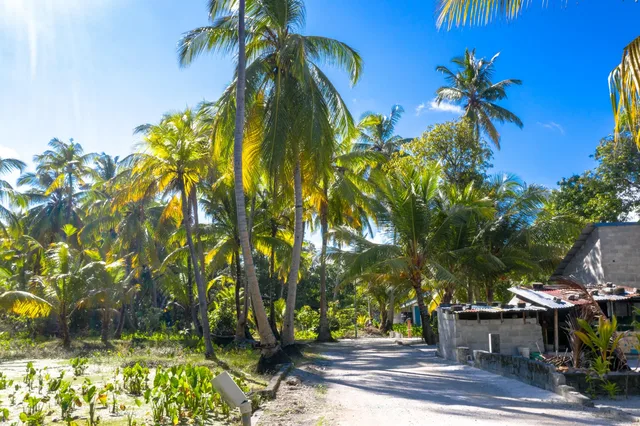
* The origins of the local tourism industry. * Political milestones and international membership. * Unique island connectivity and road networks. * Environmental risks facing the low-lying archipelago.
How did tourism begin in the Maldives?
At dawn, I wander across the warm sand of the Maldives to feel the history beneath my feet.
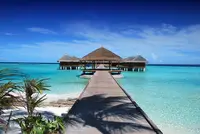
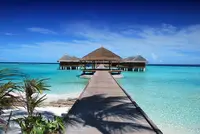
A traveler walks along a quiet shoreline, watching the sun dip behind a palm tree while imagining the first visitors to these shores. Understanding the Maldives local island history requires looking back at the very beginning of the industry.
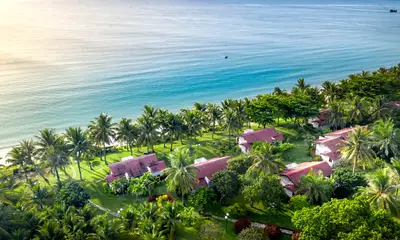
The tourism landscape changed significantly when Kurumba Island Resort became the first resort opened in the Maldives. This was followed by Bandos Island Resort, which was developed and opened by Ibrahim Nasir.
The Maldives local island history is tied to these early pioneers who transitioned the nation from isolation to a global destination. I remember reading about how these early developments set the stage for the massive scale seen today.
This historical context for travel provides a much deeper appreciation for the local customs encountered on modern islands.
- Identify a suitable island for development.
- Build basic infrastructure for international guests.
- Launch marketing campaigns to attract travelers.
What is the political standing of the Maldives? Maldives local island history
Sitting in a quiet office at midnight, I grip my pen tightly while studying the complex governance of the Maldives.
A diplomat sits in a formal room, reviewing international treaties that define a nation's role in the world. To understand the Maldives culture deep dive, one must look at its official affiliations and governance.
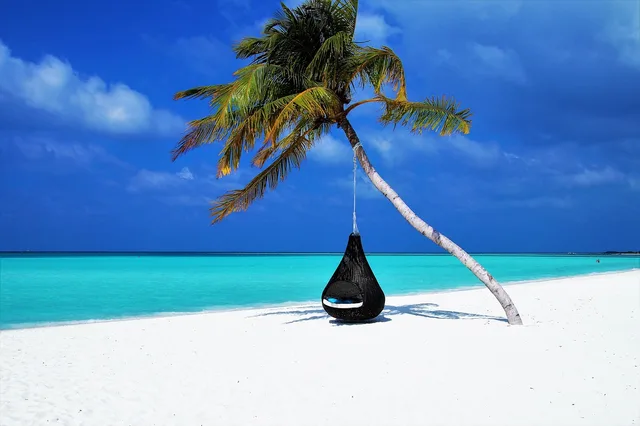
The Maldives is a member of the United Nations, the Commonwealth of Nations, the Organisation of Islamic Cooperation, and the Non-Aligned Movement. It also serves as a Dialogue Partner of the Shanghai Cooperation Organisation.
Political shifts continue to define the nation's path. In the 2023 election, People's National Congress (PNC) candidate Mohamed Muizzu won the second-round runoff of the Maldives presidential election, beating incumbent president, Ibrahim Solih, with 54% of the vote.
These political structures influence how local islands are managed and how they interact with the global community.
I find that the second point in this overview is the most detailed.
How do people move between islands in the atolls?
A cyclist pedals along a narrow path, feeling the salt spray from the ocean as the road stretches forward. In Addu Atoll, the westernmost islands are connected by roads over the reef. This specific infrastructure is collectively called the Link Road. The total length of the road is 14 km (9 mi).
This unique way of navigating the islands provides a glimpse into how local communities interact. The existence of such roads allows for a different kind of traditional island journey compared to the boat-reliant travel found elsewhere.
It highlights the ingenuity required to connect communities across a reef.
What environmental factors shape the islands?
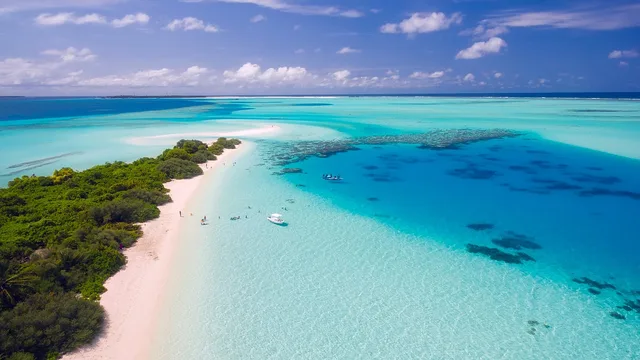
A researcher monitors the water temperature, noting the heat rising from the turquoise surface. The geography of the nation presents a significant challenge for those living there. More than 80% of the Maldives' 1,190 coral islands sit less than 1 meter above sea level.
This makes it the lowest-lying country in the world, and particularly at risk to sea level rise.
Environmental shifts are a constant reality for these residents. The surface water temperatures reached an all-time high in 2016, at 31 degrees Celsius in May. This climate reality is a central part of the Maldives culture deep dive, as the people must adapt to a changing ocean.
How is the environment protected?
A local official inspects a coral reef, ensuring the delicate balance of the ecosystem remains intact. Protecting these low-lying islands requires active administration and oversight.
Currently, 31 protected areas are administered by the Ministry of Climate Change, Environment and Energy and the Environmental Protection Agency (EPA) of Maldives.
Preparing for local island trips requires an awareness of these protected zones. These efforts are vital because of the extreme vulnerability of the land. The average high temperature is 31.5 degrees Celsius and the average low temperature is 26.4 degrees Celsius.
How can one prepare for a trip to these islands?
A traveler packs a light bag, checking the weather forecast before departing for the tropical heat. To ensure a smooth journey, follow these steps:
- Research the specific atoll you are visiting to understand its local transport options. 2. Verify the current political and social climate through official government channels. 3. Check local environmental regulations regarding protected areas.
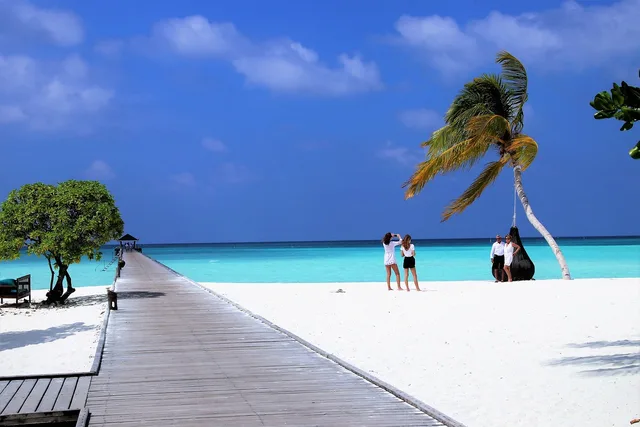
I personally find that verifying these details makes the experience much more meaningful. One limitation of this historical and cultural overview is that it does not cover the specific religious customs required on different islands.
Comparison of Tourism and Climate Data
| Metric | Historical/Specific Detail |
|---|---|
| First Resort | Kurumba Island Resort |
| 2020 Arrivals | 555,000 (World Bank) |
The same subject is also called Local island travel guide.
The same subject is also called History of local travel.
This part also covers Understanding island traditions.
Preparing for local island trips
Related


Comments 0