Maldives Family Trip: Checklist for Perfect Vacation Success
"Paradise is only perfect if everyone, even the smallest travelers, can enjoy it."
Planning a trip to the Maldives with children can feel like trying to navigate a coral reef during a storm—beautiful but potentially overwhelming. The key to a successful family getaway lies in matching the right environment to your children's specific needs and energy levels.
Key Takeaways * Resort Selection is Key: Prioritize resorts with dedicated kids' clubs, shallow lagoon areas, and multi-bedroom villas over honeymoon-centric islands.
* Pacing is Everything: Balance high-energy water activities in the morning with quiet downtime in the afternoons to prevent meltdowns. * Logistics Matter: Pre-plan your meal plans and transfer methods (seaplane vs. speedboat) to minimize transition stress.

Choosing the Right Island Sanctuary: Beyond Honeymoon Vibes
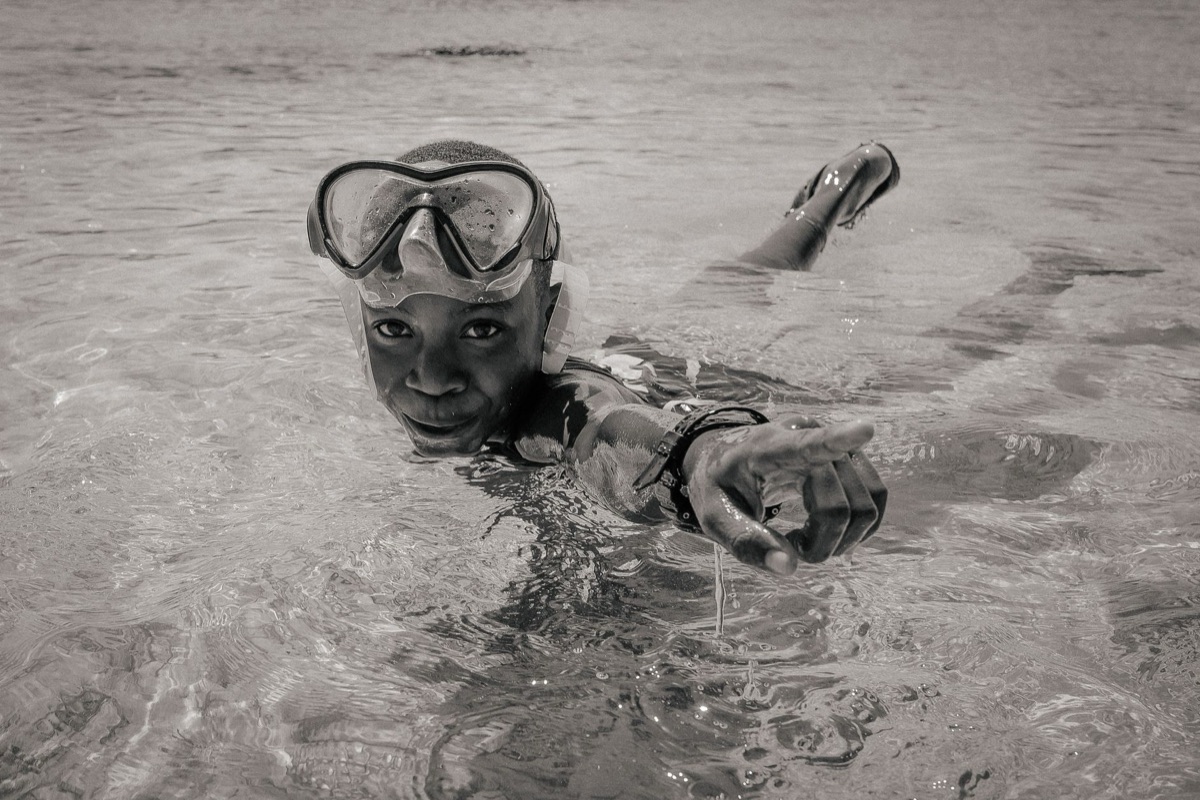
A sunny morning at the check-in desk, where the smell of salt air meets the excitement of a child clutching a new snorkel mask, sets the tone for the entire trip. You realize quickly that a resort designed for quiet couples might not be the best fit for a high-energy family.
When browsing resorts in 2026, you must distinguish between "honeymoon-focused" and "family-friendly." Many luxury islands in the Maldives are designed for intimacy, featuring adult-only pools or villas that lack the space required for a family.
For a successful trip, look for resorts that offer dedicated kids' clubs and family-specific villas. In my own experience, I once booked a romantic overwater bungalow only to realize the lack of a railing meant I couldn't let my nephew run free, making the entire stay stressful.
Consider the geography of the island. Some resorts feature deep drop-offs right at the beach, which can be dangerous for young swimmers. Instead, look for islands with wide, shallow lagoons where children can splash safely.
In contrast, an island focused on deep-sea diving might offer incredible snorkeling but lack the gentle water play areas kids crave.
| Feature | Honeymoon-Centric Resort | Family-Friendly Resort |
|---|---|---|
| Primary Vibe | Quiet, romantic, secluded | Social, active, playful |
| Room Types | Single/Double overwater villas | Two-bedroom villas/Family suites |
| Water Access | Deep water/Surfing/Diving | Shallow lagoons/Kids' pools |
| Amenities | Spa-focused, fine dining | Kids' clubs, playgrounds, water sports |
Choosing between a dedicated family resort and a romantic setting often comes down to your specific goals. If you want a mix of relaxation and engagement, a family-focused resort is the safer bet.
Dining Decoded: Fueling Adventures Without Fuss
The sun begins to dip, and the sound of clinking silverware echoes through an open-air dining pavilion as families gather for dinner. Managing mealtime in a remote paradise requires more than just a hungry appetite; it requires a strategy.
Meal plans are the backbone of your budget and sanity. In the Maldives, "All-Inclusive" is often the gold standard for families because it covers snacks, drinks, and multiple meals, preventing "sticker shock" when a child asks for an extra ice cream.
"Half-Board" (breakfast and dinner) is a common alternative, but you must account for the cost of lunches and snacks during excursions. In 2025, I noticed that families opting for half-board often ended up spending an extra $150 to $200 per day on lunch and refreshments.
Picky eaters can be a challenge in high-end dining settings. When booking, check if the resort offers kid-friendly menus or if they can accommodate specific dietary needs.
Some luxury resorts allow for in-villa dining, which can be a lifesaver when a child is too tired for a formal restaurant setting.
A quick snack strategy is essential. Always carry waterproof pouches for small treats to bridge the gap between scheduled meals. Planning for mid-day breaks at the villa can also prevent the irritability that often comes with hunger during long excursions.
Activities That Keep Everyone Happy (Ages 2-14)
A child splashes into the turquoise water, eyes wide with wonder at a passing fish, while parents watch from the shade of a palm tree. Finding the right balance of activity is the secret to preventing burnout.
The water play spectrum is vast. For younger children, focus on shallow pool time and gentle lagoon exploration. For older kids (ages 8-14), guided snorkeling tours or kayaking can provide the adventure they crave.
It is important to match the activity to the child's swimming ability and comfort level in the water.
Structure your days to follow a natural rhythm. A common successful pattern is a morning of high-energy activity, such as a marine biology talk or a boat trip, followed by a quiet afternoon of reading or pool lounging. This prevents the exhaustion that leads to evening meltdowns.
The "Downtime Rule" is non-negotiable. Do not overschedule. If you spend four hours on a boat in the morning, the afternoon should be dedicated to rest. A sunset cruise is a beautiful way to end the day, but only if the kids have had enough downtime to recharge.
Navigating the Logistics: Transfers, Comfort, and Flow
The hum of a seaplane engine vibrates through the floor as you look down at the scattered atolls below, wondering how you will manage all the luggage and restless energy. Logistics in the Maldives can be complex due to the unique geography.
Arrival day is the most critical period. If your resort requires a seaplane transfer, be prepared for potential delays and the need to manage luggage in tight spaces. In 2026, travel schedules can vary wildly, so always check your transfer window against your flight arrival.
Speedboat transfers are generally easier for families as they are more direct and less prone to weather delays, but they may involve longer travel times.
When selecting your villa, prioritize space and layout. A pool-access villa or a two-bedroom residence provides much-needed separation between parents and children. Having a separate living area can prevent the feeling of confinement during longer stays.
Always carry a "What If" kit in your carry-on. This should include essential medications, child-specific sun protection, and a few comfort items like a favorite stuffed animal or a tablet for the transfer. Being prepared for the unexpected is the best way to maintain a smooth flow.
Pro-Tips for Parental Peace of Mind (The Survival Guide)
The heat of the midday sun is intense, and the white sand reflects the light directly into your eyes as you apply sunscreen to a squirming toddler. In the Maldives, the environment is beautiful but can be harsh.
Sun safety is your top priority. The UV index in the Maldives is extremely high. Use high-SPF, reef-safe sunscreen and consider UV-protective swim shirts (rash guards) for the kids. Reapply frequently, especially after swimming.
Be prepared to pivot. If a child wakes up with seasickness or is too tired for a planned excursion, let the plan go. The flexibility to change your mind is what separates a stressful trip from a successful one.
To keep your sanity, follow this daily checklist:
- Morning High-Energy Window: Do all water activities between 8:00 AM and 11:00 AM when the sun is manageable.
- Mid-Day Retreat: Return to the villa by 12:30 PM for lunch and a mandatory two-hour rest/nap period.
- ly
- Afternoon Low-Impact Play: Engage in light activities like sandcastle building or reading by 3:30 PM.
- Evening Wind-Down: Prepare for dinner by 6:00 PM to avoid the rush of large groups.
Finally, consider the digital aspect. While a little screen time can help during long transfers or quiet hours, aim for a balance that encourages engagement with the natural beauty around you. A successful trip is one where you return home with memories of connection, not just photos of screens.




Comments 0