Cricket Maldives: ICC Membership and Global Ambition
"In the quiet heat of a Maldivian afternoon, the sound of leather hitting willow echoes across a field that feels worlds away from the luxury resorts of the North Malé Atoll."
While most visitors arrive in the Maldives to find peace on a white-sand beach, a growing group of local athletes is chasing a different kind of thrill: the high-stakes tension of international cricket.
* Overview of the team's transition into global cricket structures following ICC membership. * Analysis of participation in regional tournaments like the ACC Trophy. * Assessment of the competitive gap between emerging nations and established powers. * The importance of long-term infrastructure in sustaining athletic momentum.

How will we establish ourselves in international cricket? The sun beats down on a dusty pitch in Malé at 2:00 PM as a group of young men adjusts their pads, eyes fixed on a white ball that represents more than just a game. According to World Bank data, the Maldives recorded international tourist arrivals of 555,000 in 2020.
For decades, cricket in the Maldives was a fragmented pursuit, played in pockets of the community without a clear path to the professional arena.
The turning point came with official ICC membership, a milestone that fundamentally changed the landscape of the sport in the archipelago.
This membership provided the legal and structural framework necessary to join the global cricket community, moving the sport from casual matches to organized, sanctioned international play.
Upon entering the international circuit, the primary goal was not immediate dominance, but rather establishing a presence that could be recognized by the global governing bodies. The pathway into major tournaments became clear through the Associate membership structure.
This allowed the Maldives to enter qualification cycles for events like the ACC Trophy, which serves as a vital stepping stone for non-test-playing nations.
However, this transition was not without friction. The initial competitive hurdles involved adapting to standardized playing conditions, understanding complex international regulations, and facing opponents with decades of professional training.
The transition from local fields to international standards required a complete overhaul of how the game was approached.
But as the team moved from local parks to international stadiums, they realized that talent alone wasn't enough.
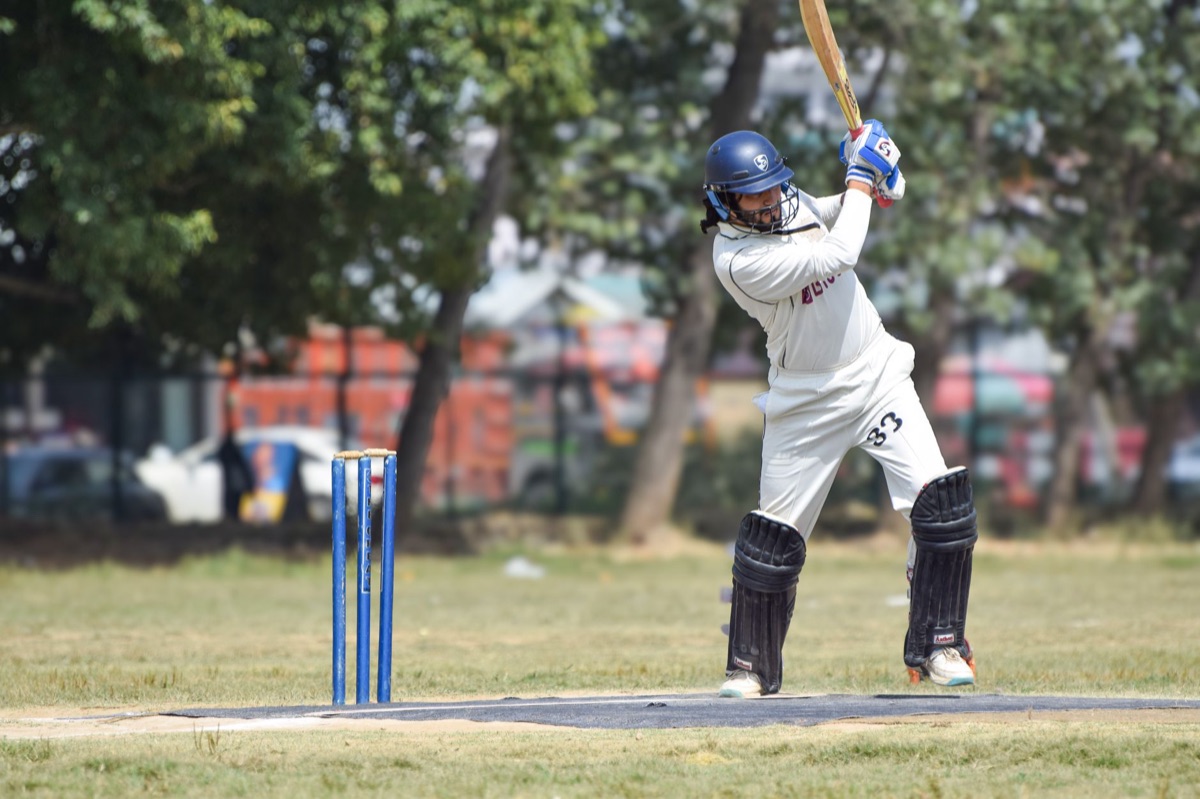
What will it be like facing the ACC Trophy competition? A group of players stands in a huddle at the edge of the boundary, breathing heavily after a grueling session under the tropical sun, preparing for the next stage of a tournament. The transition from local matches to the ACC Trophy represented a massive leap in intensity and tactical complexity.
The ACC Trophy serves as a critical arena for Associate nations to test their mettle against regional neighbors. For the Maldives, participating in these cycles meant facing teams with much deeper histories in the sport.
These tournaments are designed to group nations of similar developmental levels, providing a platform where the Maldives could both learn and compete.
In recent cycles, the team has encountered various competitive environments, ranging from high-pressure knockout games to group-stage matches against more seasoned sides. These encounters provided the first real look at how Maldivian players handled the tactical nuances of limited-overs cricket.
While the results were often a mix of hard-fought losses and breakthrough wins, the exposure to the ACC trophy structure was essential for understanding the level of professionalism required to advance.
The tournament structure forced the team to deal with the realities of international scheduling and high-stakes pressure. But as the intensity ramped up, the team hit a wall of technical reality.
Performance Review: Why is the gap so wide?
The scoreboard flickers in the late afternoon light, showing a gap between the runs required and the wickets remaining. It is a moment of quiet reflection for a team that has traveled far to reach this stage of competition.
Analyzing the on-field performance of the Maldivian squad reveals a team in a state of constant evolution. During international fixtures, the team has shown flashes of individual brilliance, particularly in batting aggression and spirited fielding.
However, the gap between current performance and the established global powers remains significant.
The competitive reality is often defined by consistency. While the squad can occasionally match the intensity of higher-ranked teams, maintaining that level over a full tournament remains a struggle.
The gap is often seen in the technical precision of bowling and the ability to manage a game's tempo during middle overs.
Comparing recent match performances against original tournament expectations shows that while the team often meets the baseline of competitiveness, they struggle to close the gap against teams with more robust domestic structures.
| Aspect of Play | Strength Level | Primary Challenge |
|---|---|---|
| Fielding & Agility | High | Maintaining focus during long spells |
| Batting Aggression | Moderate | Technical consistency against spin |
| Bowling Discipline | Emerging | Controlling run rates in death overs |
| Tactical Awareness | Developing | Adapting to changing pitch conditions |
The team is learning that victory isn't just about the big hits; it is about the grind of the long game.
The Future Trajectory: How to sustain momentum?
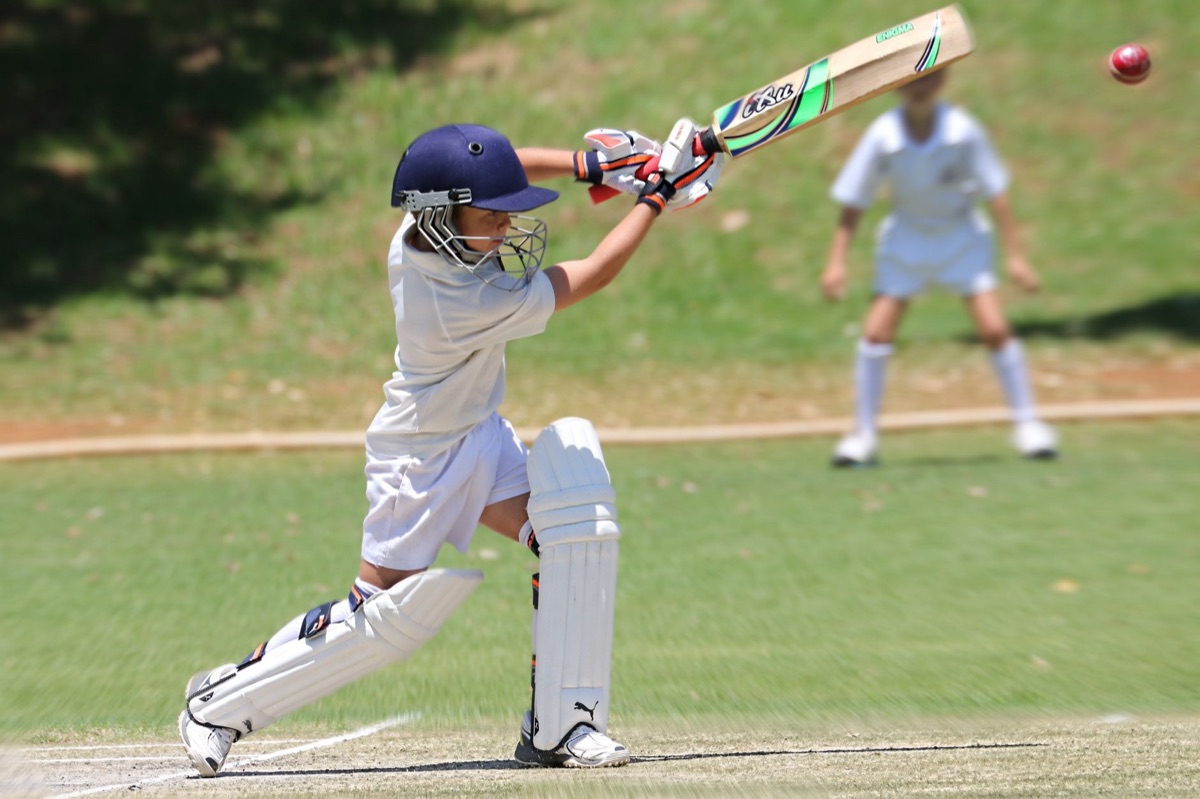
A coach stands at the edge of the boundary, clipboard in hand, watching the players run drills as the sun begins to set. The focus is not on the game happening now, but on the players who will be wearing the national colors five years from today.
Moving forward, the strategic goal of Maldivian cricket is to transition from a "participating" nation to a "competitive" one. This requires more than just showing up to tournaments; it requires a sustained presence in the international rankings.
The long-term vision involves creating a pipeline of talent that can feed into the national team, ensuring that success is not tied to a single generation of players.
To achieve this, the team must follow a structured developmental path:
- Infrastructure Investment: Building dedicated cricket academies and high-quality pitches that mimic international standards.
- Coaching Certification: Implementing rigorous training programs to elevate local coaching to international certification levels.
- Domestic League Expansion: Creating a consistent calendar of local matches to ensure players face high-pressure situations weekly.
- Youth Integration: Establishing clear pathways from junior clubs to the senior national squad through talent scouting.
Sustained participation in international events is more important than a single victory. Every match, regardless of the result, serves as a data point for improvement.
The ultimate challenge lies in building a structure that can survive the transition from amateur enthusiasm to professional discipline.
But building a team is one thing; building a following is another.
Fan Engagement and Support Ecosystem
In a local cafe in Malé, a group of friends gathers around a small television, leaning in as the commentator describes a crucial wicket. The energy in the room is palpable, reflecting a growing connection between the sport and the national identity.
The journey of the national team has resonated with the local community in unexpected ways. For many, seeing the Maldives compete on an international stage provides a sense of pride that transcends the sport itself.
This visibility helps foster a national sporting identity that is distinct from the country's global reputation for luxury tourism.
However, building a deep, sustained fan base is a challenge. Unlike nations where cricket is a primary cultural pillar, the Maldives must compete with other popular sports and the distractions of a tourism-driven economy.
The challenge is to turn casual observers into a loyal community that supports the team through both wins and losses.
The success of the team's future may depend as much on the stands as it does on the pitch.






Comments 0