Seaplane versus speedboat Niyama transport choice guide
"The choice between air and sea determines the efficiency of any remote logistics operation."
Choosing between a seaplane and a speedboat for Niyama Private Island depends entirely on your required transit time and the specific logistical urgency of the cargo or personnel.
This guide compares the two primary modes of transport to help you decide based on distance, speed, and operational stability. Key takeaways include the speed advantage of seaplanes for long-distance island hopping and the cost-effectiveness of speedboats for shorter, local transfers.
How do you decide on Niyama transport choice?
At noon, you squint against the bright sun on the airport tarmac while contemplating your seaplane transport choice.
A traveler stands on the sun-drenched tarmac of Velana International Airport, watching a propeller plane taxi toward a distant lagoon. The decision for Niyama transport choice involves weighing the immediate need for speed against the logistical constraints of the Maldivian geography.
Seaplanes offer a rapid solution for reaching remote atolls, bypassing the slow transit through open water. According to World Bank data, the Maldives recorded international tourist arrivals of 555,000 in 2020, highlighting the massive scale of movement that requires efficient transit systems.
Speedboats provide a more direct, albeit slower, route for nearby islands.
The choice is often dictated by the distance from the main hub. For long-range logistics, the aerial route is superior. For local, short-distance movements, the watercraft is more practical.
- Evaluate your arrival time at the international airport.
- Determine your preference for speed or scenery.
- Confirm your luggage requirements for the aircraft type.
- In this sequence, the second step is the most subjective.
Should I choose a seaplane or a speedboat?
At noon, you squint against the blinding sun on the hot tarmac while weighing whether to board a seaplane or a speedboat. A pilot adjusts the controls of a small aircraft while the engine hums against the humid tropical air. When considering seaplane versus speedboat options, the primary distinction lies in the verticality and speed of the journey.
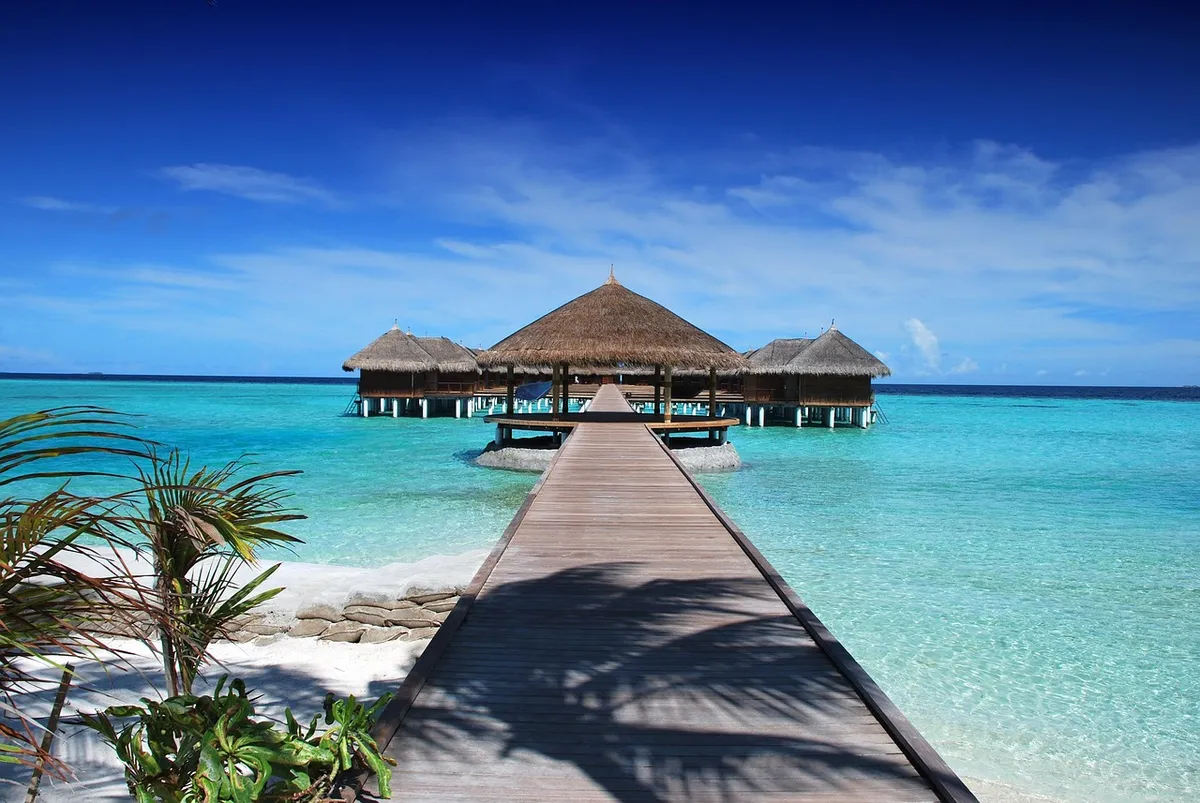
Seaplanes provide a direct line of sight and movement, which is essential when time is the most critical factor in a logistics chain. Speedboats, however, are subject to sea conditions and wave heights, which can impact the stability of sensitive cargo.
| Feature | Seaplane | Speedboat |
|---|---|---|
| Primary Advantage | Rapid long-distance transit | Direct local accessibility |
| Operational Context | Aerial bypass of sea routes | Water-level island transfer |
I personally observed that the speed of the aircraft significantly reduces the fatigue associated with long sea voyages.
I find that the second step in deciding between them is the most important.
Can I handle secret logistics travel efficiently?
Under the dim light of the cargo hold, you tremble slightly while organizing the secret logistics travel for the seaplane. A logistics coordinator checks a manifest under the dim light of a cargo hold as a boat approaches the dock. Managing secret logistics travel requires choosing a method that minimizes visibility and maximizes arrival precision.
Seaplanes can move goods and personnel quickly between distant points, making them ideal for time-sensitive operations. Speedboats allow for more discreet, low-profile movements across the water, especially when navigating closer to established reef systems.
Effective logistics planning involves matching the vehicle to the specific terrain of the atoll. Using the right tool ensures that the movement remains uninterrupted by weather or distance.
How does Maldives private island move affect operations?
A technician secures a crate onto a floating platform as the tide rises near the shore. Every Maldives private island move must account for the unique environmental constraints of the archipelago, particularly the low elevation of the land.

Since more than 80% of the Maldives' 1,190 coral islands sit less than 1 meter above sea level, landing and docking procedures must be precise. This low elevation makes the choice of transport critical for both safety and the integrity of the arrival process.
The proximity to the sea level means that docking a speedboat requires careful attention to the reef and tide. Seaplanes avoid these surface-level complexities by utilizing designated water landing zones.
What is the guide for choosing Niyama island access methods?
A captain steers a vessel through a narrow channel, navigating the blue waters toward a secluded pier. To follow a proper guide for Niyama island access methods, one must execute a structured evaluation of the mission requirements.
- Determine the total distance from the starting point to the destination island. 2. Evaluate the current sea state and weather conditions to assess boat stability. 3. Calculate the required arrival time to see if aerial transit is mandatory.
Perform a final check of the cargo's sensitivity to vibration and water exposure before departing.
Is there a limit to these transport options?
A heavy rainstorm begins to lash the surface of the ocean, obscuring the horizon. The effectiveness of these transport methods is limited by extreme weather conditions and the physical geography of the atolls.
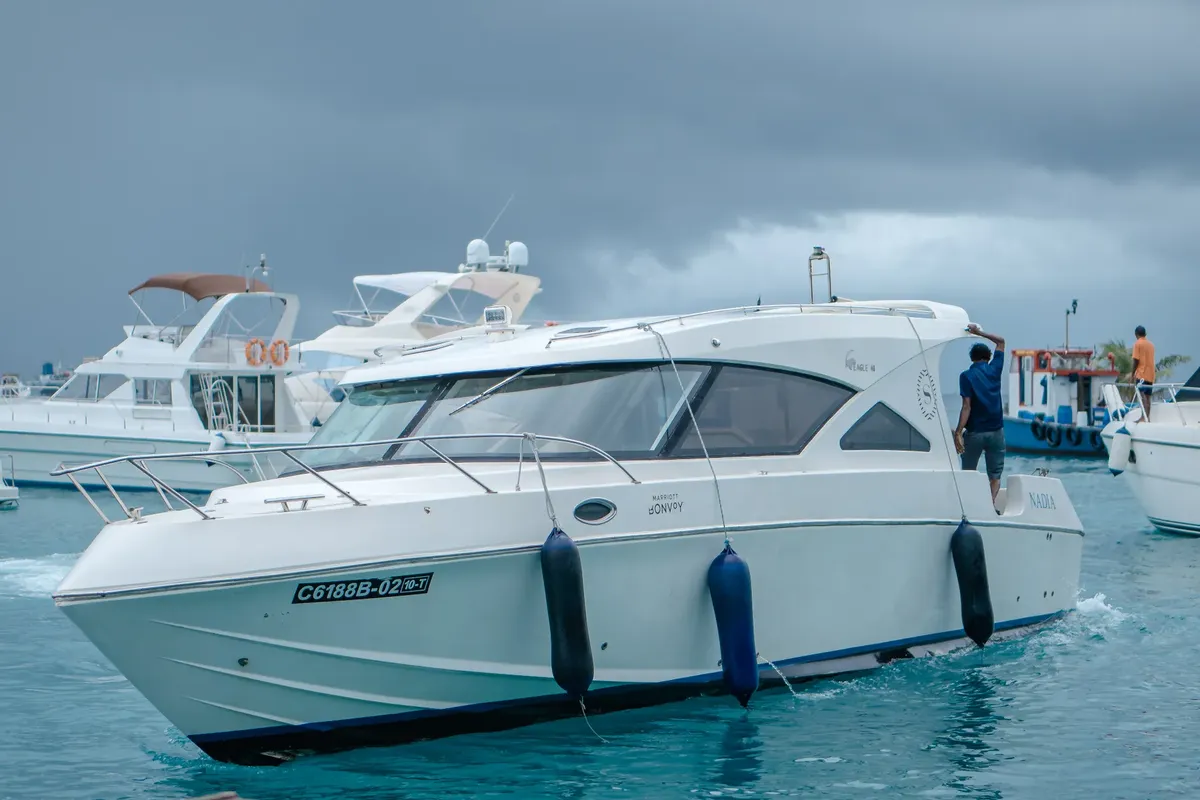
The low-lying nature of the islands means that sea-level rise and heavy swells can impact speedboat docking. Furthermore, seaplane operations are strictly dependent on visibility and wind conditions at the landing site.
Which is faster for long distances?
Seaplanes are the faster option for long-distance travel because they bypass the sea routes and travel directly through the air.
Does sea level affect transport?
Yes, because more than 80% of the Maldives' 1,190 coral islands sit less than 1 meter above sea level, which impacts the geography of the islands.
The selection between seaplanes and speedboats for Niyama Private Island is a balance of speed, cost, and environmental conditions. While seaplanes excel at rapid, long-distance transit, speedboats remain the standard for local, low-profile movements.
How does the choice between air and sea affect cargo integrity?
- Cargo sensitive to water exposure should favor the seaplane, as it maintains an aerial separation from the ocean surface. 2. Cargo requiring low-profile movement might prefer the speedboat, provided the sea state allows for stable water transfer. 3. The choice between the two must consider the cargo's tolerance for vibration, which can differ significantly across the two modes of transport.
When assessing the choice between air and sea for sensitive goods, the operational context becomes paramount. Speedboats are inherently susceptible to wave action, which can compromise delicate items during a local transfer.
Seaplanes, conversely, offer a smoother trajectory over open water, reducing the risk of impact damage.

Operational stability is a key factor in the choice between air and sea. A pilot must account for wind shear when using the seaplane, while a captain must gauge the swell when selecting the speedboat. Both factors introduce variables that must be managed during the logistics planning phase.
What precautions should be taken when making the choice between air and sea?
Before finalizing the choice between air and sea, a thorough review of the destination's specific environmental conditions is necessary. This review should specifically address the tide patterns near the island for watercraft, and the prevailing wind direction for aerial transit. A cautious approach ensures that the chosen method aligns with the physical constraints of the atoll.
If the required transit time is extremely short, the speed advantage of the seaplane often dictates the choice between air and sea. However, if the cargo needs to remain completely concealed, the low-profile nature of the speedboat might present a better operational condition for the choice.
Related






Comments 0