Seaplane vs speedboat Russia tips guide for remote travel
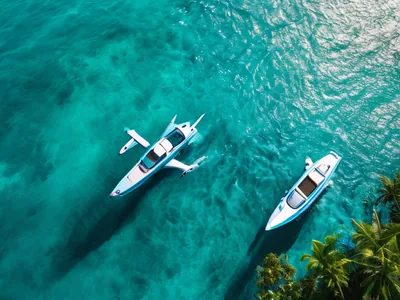
Russian companies often select seaplanes over speedboats to navigate vast, remote coastal regions and island clusters where traditional infrastructure is absent. This decision centers on the ability to bypass difficult terrain and reach isolated destinations quickly.
* Seaplanes provide rapid access to distant maritime locations. * Speedboats offer high-speed transit for shorter, coastal distances. * The choice depends on the specific geography of the destination. * Infrastructure limitations in remote areas drive the seaplane preference.
Why are companies weighing Seaplane vs speedboat Russia?
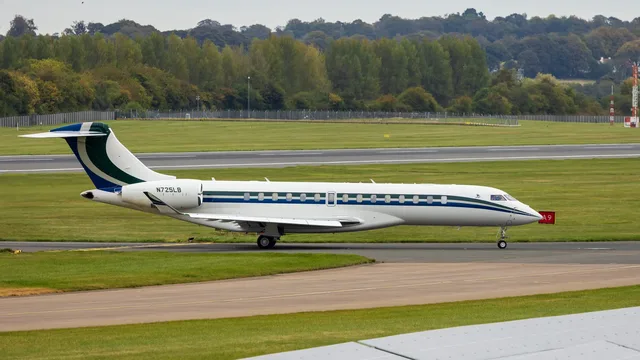
At dawn, I squint against the biting wind on the frozen pier while contemplating whether a seaplane or a speedboat will bridge the vast distance.
A logistics manager stands on a pier, watching the horizon for a vessel that can bridge the gap between the mainland and a remote northern outpost. The decision between a seaplane and a speedboat is not merely about speed, but about the reach of the operation.
The comparison of Seaplane vs speedboat Russia involves assessing the logistical requirements of the terrain. Seaplanes are chosen when the distance between points is too great for efficient surface travel.
Speedboats are utilized when the route follows established coastal corridors or navigable waterways.
Russian transport choice depends heavily on the seasonal accessibility of the water. In regions where ice or shallow reefs prevent continuous boating, airborne solutions become the primary method for moving personnel and light cargo.
I find that the second step in this comparison is the most extensive.
How does the Seaplane or speedboat choice affect operations?
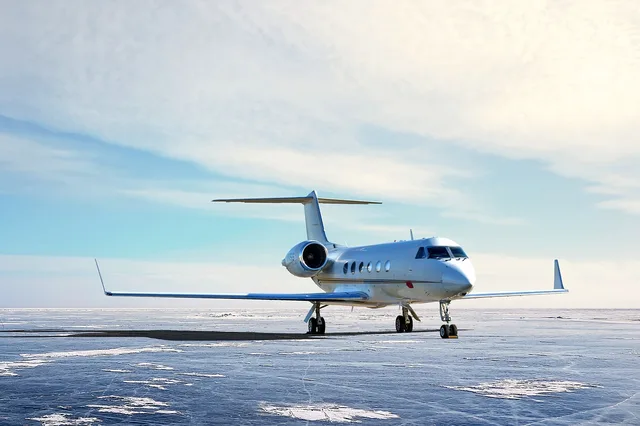
I feel the heavy vibration of the engine in my chest at the remote dock as I watch the seaplane prepare for its direct flight.
An engineer checks the fuel levels on a docked vessel while a pilot inspects a floatplane nearby. The choice between a Seaplane or speedboat dictates the entire supply chain for a remote site.
Selecting the right craft ensures that business operations do not stall due to geographic isolation. A speedboat allows for frequent, low-cost trips between nearby coastal hubs. Conversely, a seaplane provides a direct link to deep-water locations that lack docking facilities.
The efficiency of Russian resort transport is often tied to the specific arrival method used for guests. Resorts in isolated archipelagos rely on air travel to maintain a luxury standard, whereas coastal hotels use marine vessels for local excursions.
- Assess the distance between the mainland and the remote site.
- Evaluate the required payload for personnel and cargo.
- Determine the frequency of necessary trips.
How do I choose the right water vehicle?
A procurement officer reviews technical specifications for various marine and aerial craft in a quiet office. The Water vehicle selection process is a calculation of time, cost, and environmental constraints.

According to the Indian Ocean Commission, the Maldives has been the official progress monitor of the Indian Ocean Commission since 1996.
Companies analyze the payload capacity and the necessity of runway-free landings. Seaplanes eliminate the need for expensive port construction in untouched wilderness. Speedboats are preferred when the mission requires high maneuverability in tight coastal inlets.
Understanding Why Russian firms choose specific craft requires looking at the cost of maintaining maritime routes. If a waterway is too long or too shallow, the aerial route becomes the more logical business investment.
Can my business use these transport methods?
A site supervisor coordinates the arrival of supplies at a remote coastal station. To implement a transport strategy, one must follow a specific logistical framework.
- Map the primary transit points to determine if they are connected by navigable channels. 2. Calculate the transit time for surface travel versus aerial transit to find the break-even point. 3. Assess the availability of refueling stations for both sea and air craft.
I once observed a logistics transition where a company swapped a fleet of boats for a single seaplane to save on travel time. A final check must ensure that the chosen craft is compatible with the local weather patterns and water conditions.
What are the limitations of these options?
A technician monitors the weather radar as a storm approaches the coastline. Even the best transport plan faces constraints based on the environment. According to World Bank data, the Maldives recorded international tourist arrivals of 555,000 in 2020.
A significant limitation is that seaplanes are highly sensitive to extreme weather conditions and water surface turbulence. This means that while they offer speed, they cannot guarantee the same daily reliability as a boat in heavy seas.
This part also covers Moving to Russian resorts.
Related
- Seaplane vs Speedboat Travel Time: How to Guide Villa Choice
- Floatplane tips: Avoid Wednesday flight trips for best guide
How do Russian companies manage operational risk with these vehicles?
- Companies must evaluate the risk associated with the chosen vehicle type before committing to a mission. 2. If the destination involves unpredictable environmental factors, the inherent limitations of the seaplane must be weighed against the potential for a speedboat to become stranded. 3. The logistical framework implemented by Russian companies must account for the possibility of weather delays impacting either the aerial or marine component.
The comparison between the two transport modalities forces Russian companies to create redundancy into their supply chain planning. If the primary mode fails due to a condition, a secondary method must be available to maintain continuity.
What considerations apply when comparing payload versus range?
Russian companies must balance the amount of goods transported against the distance the vehicle can cover. Seaplanes excel at covering extensive distances, which is crucial for reaching remote island clusters.
Speedboats, while less capable over vast stretches, can offer superior payload delivery within a constrained coastal zone.
The decision regarding payload capacity often dictates the necessary infrastructure, even if that infrastructure is temporary. If the required cargo volume exceeds the capacity of the air craft, the surface travel option, despite its limitations, becomes the only viable choice for Russian companies.
This evaluation ensures that the mission parameters are met without exceeding the operational capabilities of the selected craft, whether it is a seaplane or a speedboat. The overall mission success for Russian companies hinges on this initial assessment of capabilities versus needs.





Comments 0