Resort tips: Best island resort guide for modern travel
"Choosing a single-island, single-resort destination requires balancing isolation with accessibility."
This guide provides essential criteria for evaluating these destinations, including historical context and modern arrival trends.
How to navigate the history of island resorts?
I brushed through heavy jungle ferns at dawn to uncover the crumbling stone walls of an ancient island resort.

Travelers often wonder how the current landscape of private islands began.
The foundation of the industry was set by pioneering efforts in the mid-20th century. According to Wikipedia, Kurumba Island Resort was the first resort opened in the Maldives. This was followed by Bandos Island Resort, which was developed and opened by Ibrahim Nasir.
Nasir also personally set up the first tourist agency known as "Crescent Tourist Agency."
Understanding these origins helps travelers appreciate the evolution of the one-island, one-resort concept. Early pioneers established the template for privacy and natural beauty that modern guests still seek today.
Why do arrival numbers matter for your stay? Best island resort guide
At sunset, I stood on the warm sand and watched a massive boat approach the remote resort.
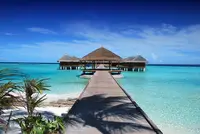
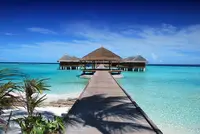
Standing on a wooden pier and watching boats arrive against the turquoise horizon highlights the scale of global interest. Travelers often look at recent history to understand the stability of their chosen destination.
Global trends heavily influence the availability and pricing of island stays. According to World Bank data, the Maldives recorded international tourist arrivals of 555,000 in 2020. This figure represents a specific moment in time when global movement was significantly impacted.
Analyzing these figures provides a sense of the industry's scale. While numbers fluctuate due to global events, the consistent interest in these islands drives the development of new amenities and service standards.
What are the essential selection factors?
Looking at a map of scattered atolls requires a strategic approach to planning. You might find yourself comparing different island layouts to decide which provides the best sense of seclusion.

Effective selection involves several key pillars: 1. Evaluating the reef type and lagoon clarity for marine life access. 2. Assessing the transfer method, such as speedboat or seaplane, to manage travel time. 3. Comparing meal plans, such as all-inclusive versus half-board, to fit your budget.
I once spent an entire afternoon comparing different villa layouts on a map before booking. Checking these details ensures the physical reality of the island matches your expectations.
How to manage specific travel conditions?
A sudden change in weather or a change in travel group dynamics can alter how an island feels. You must consider how the specific environment of a single island responds to different circumstances.
When applying these selection criteria to specific conditions, follow these steps: 1. Identify your primary goal, such as a honeymoon or a family vacation. 2. Match the resort's layout to your group size to ensure comfort. 3. Verify the seasonal weather patterns for your specific arrival dates. 4.
Perform a final check of the resort's unique amenities against your needs.
A limitation of this selection process is that individual island layouts vary significantly, meaning a strategy that works for one atoll may not apply to another.
Comparing historical and modern resort contexts
| Feature | Early Resort Era | Modern Tourism Context |
|---|---|---|
| Primary Focus | Establishing basic hospitality | Managing global arrival volumes |
| Key Figures | Ibrahim Nasir and early developers | Global travelers and international agencies |
The table above highlights the shift from the foundational era of resort development to the management of large-scale international arrivals.
- The best way to select a resort is to evaluate its unique island characteristics, transfer logistics, and service plans to ensure they match your specific travel needs.
- Key takeaways include understanding the legacy of early resorts, recognizing global tourism shifts, and assessing island-specific amenities.
- Walking through the lush greenery of an early Maldivian island feels like stepping back into the beginning of a tropical era.

The subject here is Best island resort guide.
The same subject is also called Resort choice factors.
The same subject is also called Compare island resorts.
The same subject is also called Find perfect resort.
The same subject is also called Resort selection guide.
This part also covers Top rated island stays.
This part also covers Resort review comparison.
This part also covers Book dream island stay.
Top rated island stays
Related
- Island family trips: 90 days Budget family island trips why
- All inclusive vs half board: Your dining guide
How does the scale of arrivals affect the guest experience?
The scale of arrivals impacts the guest experience by influencing resource allocation and service pacing. A high volume of arrivals suggests robust operational capacity at the resort. Conversely, a lower volume might indicate a more intimate, curated experience tailored to specific group dynamics.
This comparison between arrival volume and on-site feeling is crucial for setting expectations. The initial establishment phase focused on proving the concept, whereas modern operations must manage the influx of global travelers.
What cautions apply when choosing a single-island destination?
Choosing a single-island destination demands careful consideration of logistical dependencies. The reliance on one location means that external factors, like weather or transfer reliability, become magnified. Therefore, due diligence on the transfer method is paramount.
The comparison between the initial pioneering efforts and contemporary arrivals underscores this dependency. Early resorts established the location's potential, but modern guests must account for the realities of global movement and environmental variables.
- Always verify the transfer logistics match the arrival expectations. 2. Consider the island's resilience against environmental shifts. 3. Align the desired seclusion with the island's actual capacity. 4. Match the service plan to the observed operational scale.





Comments 0