High Court & MoJ: Tracing Maldives' Legal Evolution
"Tracing the evolution of the Maldivian judicial structure through its High Court and Ministry of Justice reveals deep insights into the nation's governance journey."
The modern legal landscape of the Maldives is a blend of traditional values and contemporary administrative structures designed to manage a unique island nation.
Understanding how laws are interpreted and how justice is administered provides a clearer picture of how this country operates on the global stage.
* The judicial framework reflects deep historical and administrative shifts within the Maldives. * The High Court serves as a critical pillar in the modern legal structure. * The Ministry of Justice plays an evolving role in supporting and administering the legal apparatus.

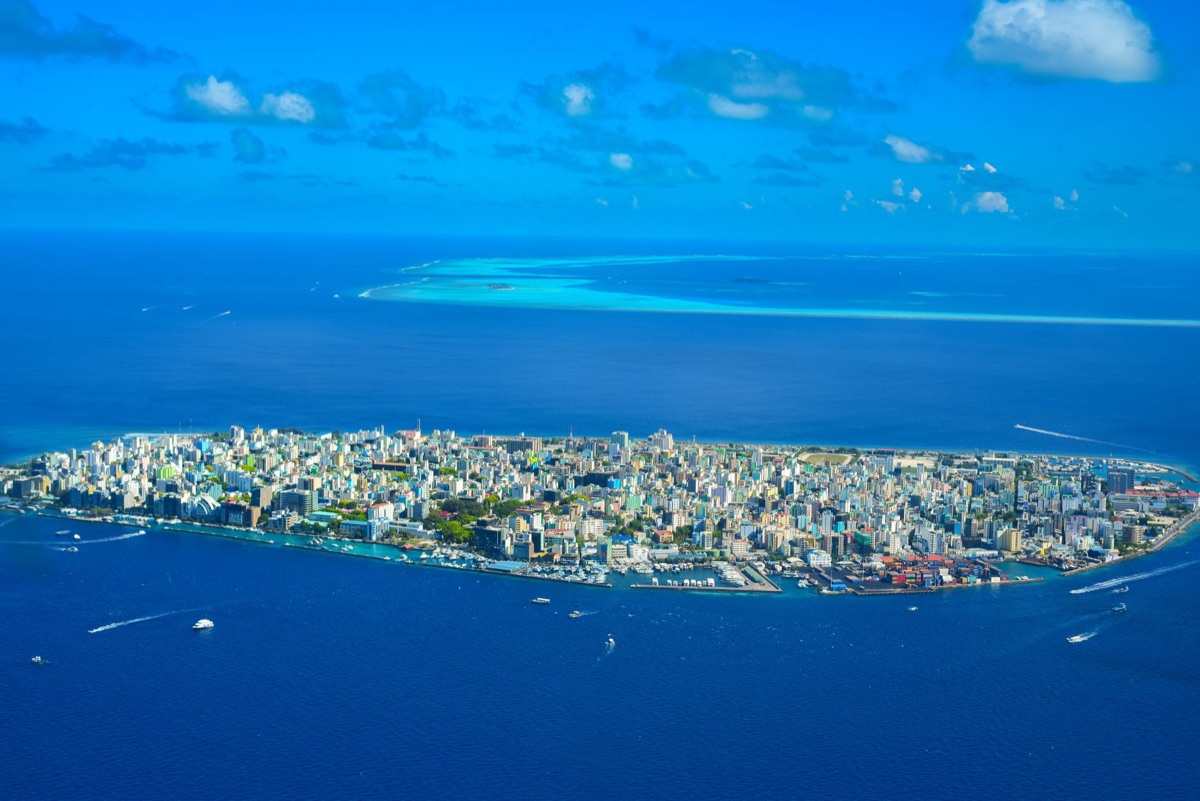
How does the modern Maldivian judicial system work? A traveler walking through the bustling streets of Malé might see the government buildings rising above the turquoise horizon, representing a centralized authority that manages both local life and international relations.
While the ocean surrounds the islands, the legal framework provides the internal structure that keeps the nation cohesive.
The current judicial system is designed to balance the needs of a growing population with the historical precedents of the archipelago. It operates through a hierarchy of courts that handle everything from civil disputes to constitutional matters.
This structure is essential for national stability, especially as the country manages complex issues like maritime law and tourism regulation.
In the past, judicial authority was often more localized or tied closely to traditional leadership. Today, the transition toward a more formalized, institutionalized system is evident in how the courts function independently of direct political interference.
This shift is a cornerstone of modern governance in the Maldives.

The Historical Traversy: How Did the System Evolve?
In a quiet corner of a museum in Malé, old handwritten documents tell the story of a time when law was often synonymous with religious and local custom.
These papers represent a period before the highly structured bureaucracy we see today, reflecting a time when the transition from sultanate to republic changed everything.
The evolution of the Maldivian legal system is marked by significant administrative changes. For much of its history, the legal framework was deeply intertwined with traditional leadership and religious guidance.
However, as the nation moved toward a republican form of government, the need for a formalized, secular-leaning judicial branch became more pressing.
Key milestones in this transition included the separation of powers and the establishment of a clear hierarchy of courts. These shifts were necessary to accommodate a growing state that needed to manage international relations and a rapidly expanding economy.
The transition from a traditional authority to a modern judicial system has been a defining characteristic of the nation's political development.
What exactly does the High Court do? A judge sits in a quiet, air-conditioned courtroom, reviewing a stack of legal briefs that could determine the outcome of a significant civil case. The atmosphere is serious, reflecting the weight of the decisions made within these walls.
This is the setting for the High Court, a central pillar of the Mallevian legal hierarchy.
The High Court serves as a vital intermediate level within the national judicial structure. It is primarily responsible for hearing appeals from lower courts and handling cases that require a higher level of legal scrutiny.
By acting as a check on lower court decisions, the High Court ensures that the application of the law remains consistent across the various atolls.
Beyond appeals, the High Court often deals with matters of significant legal importance, including constitutional interpretations and disputes involving the state. Its function is to provide a layer of judicial oversight that maintains the integrity of the legal process.
This role is crucial for ensuring that justice is not just local, but national in scope.
The Evolving Mandate of the Ministry of Justice
In a busy government office, a clerk organizes files that represent the administrative backbone of the nation's legal life. While the courts decide the law, the Ministry of Justice manages the systems that allow those decisions to be implemented.
This administrative arm is essential for the smooth functioning of the state.
The Ministry of Justice provides the administrative support necessary for the judiciary to operate. This includes managing the legal profession, overseeing the training of judicial officers, and handling the logistical aspects of the legal system.
While the courts interpret the law, the Ministry ensures that the infrastructure of justice is in place.
Over time, the mandate of the Ministry has adapted to meet the growing complexity of the state. As the judicial system became more sophisticated, the Ministry's role shifted from simple administration to more complex management of legal policy and human resources within the justice sector.
It acts as the bridge between the executive branch and the judicial branch, maintaining the operational flow of the legal system.
Interplay: High Court vs. Ministry of Justice
Imagine a complex machine where one gear turns to provide movement, while another provides the structure that holds the gears in place. If one fails, the entire mechanism stutters. This is the relationship between the High Court and the Ministry of Justice.
The division of labor between these two bodies is clear: the High Court is the interpretive and adjudicative arm, while the Ministry of Justice is the administrative arm.
The High Court makes rulings on specific cases, whereas the Ministry manages the personnel, policies, and administrative frameworks that allow those rulings to be processed.
This relationship creates a system of checks and balances. While the Ministry manages the "how" of the legal system—the logistics and the people—the High Court manages the "what"—the application of the law itself.
This separation ensures that administrative needs do not overshadow judicial independence, and that judicial decisions can be effectively managed within the state's administrative framework.
Modern Governance: Judicial System in National Context
As the sun sets over the Indian Ocean, the transition from day to night reflects the constant movement of a nation that is always evolving. For the Maldives, the legal system is not just a set of rules; it is a tool for national development and a stabilizer for its growing economy.
According to World Bank data, the Maldives recorded international tourist arrivals of 555,000 in 2020.
The judicial structure is deeply connected to the broader national operations of the Maldives. As the country manages its vast maritime territory and its status as a global tourism hub, a reliable legal system is essential for attracting investment and maintaining social order.
The law provides the predictability that both citizens and international partners require.
The continuity of this system depends on ongoing reforms that address modern challenges. As the nation continues to develop, the judicial and administrative bodies must work in tandem to adapt to new legal complexities.
The strength of the Maldives' governance lies in the ability of its High Court and Ministry of Justice to evolve alongside the nation it serves. #








Comments 0