Maafushi Guide: Beyond Resorts to See Real Maldives Life
"The postcard shows you the blue water, but the people show you the soul."
Stepping off a private speedboat after a week of pure isolation can feel like landing on another planet. While the luxury of a private villa is transformative, there is a lingering question that many travelers face: is this all there is to the Maldives?
* The contrast between curated resort luxury and vibrant local life is profound. * Visiting local islands requires cultural sensitivity and proper planning. * Maafushi offers an accessible, budget-friendly deep dive into Maldivian daily life. * Bridging the gap between tourist fantasy and local reality enhances the entire journey.
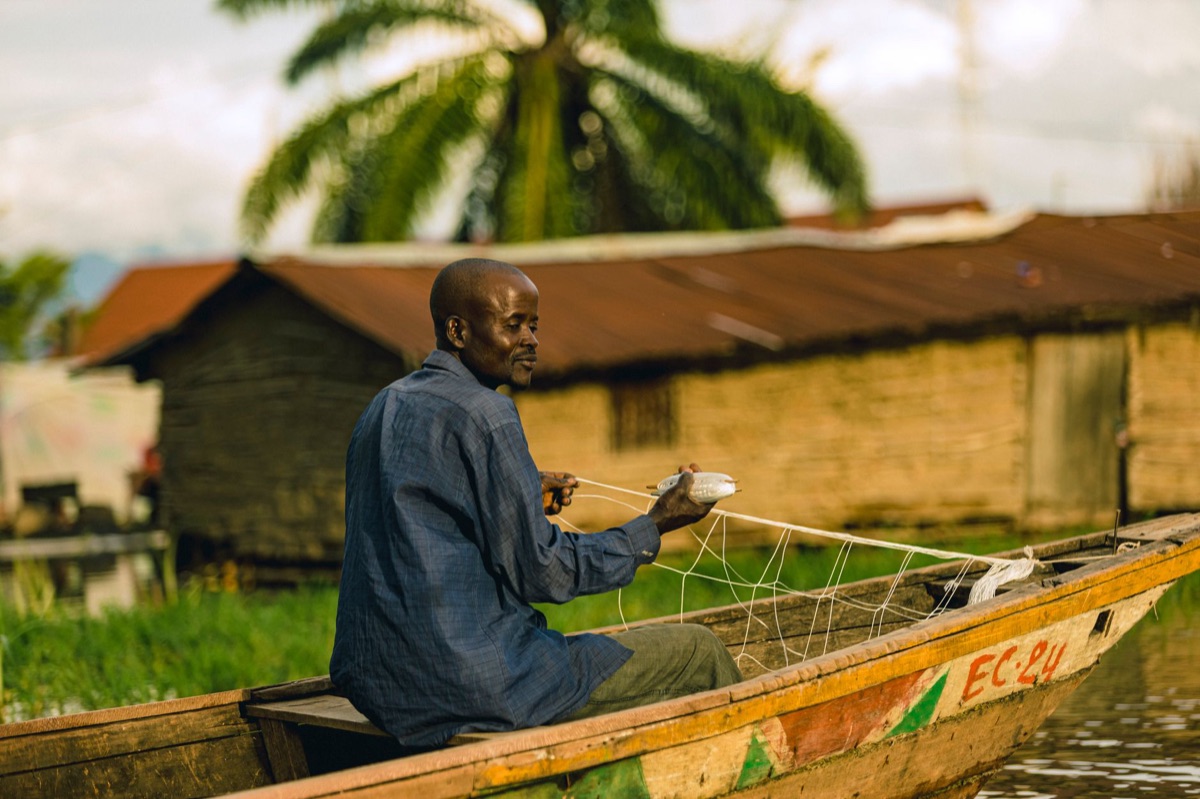
Why Go Local? Bridging the Gap Between Resort & Reality
I remember sitting on a white sandbank at sunrise in June 2025, looking at the perfect, untouched horizon, and wondering where the actual people lived. The water was so clear it felt like the boat was floating in mid-air, but the silence of the empty atoll made me crave a conversation.
According to World Bank, the Maldives recorded international tourist arrivals of 555,000 in 2020.
In the Maldives, there is a striking duality: you have the private, high-walled paradise of the resorts and the bustling, colorful reality of the inhabited islands.
In 2024, the sheer scale of the tourism industry meant that millions of visitors stayed entirely within these bubbles, never seeing the hands that built them.
The tourist experience is often a beautiful bubble of isolation. In contrast, local islands like Maafushi represent the living heart of the archipelago.
While resorts are designed to feel like you are the only person on earth, local islands show you how a community survives and thrives in the middle of the Indian Ocean.
Understanding this requires a look at the cultural context. The Maldives is a strictly Islamic nation, and this religious identity shapes everything from the architecture to the rhythm of daily life.
In the resorts, you might wear a bikini on a private deck, but on a local island, the social fabric is much more traditional.
It is important to set the right expectations. A trip to a local island is a visit to a functioning community, not a relocation. You are stepping into someone else's living room, and that shift in perspective is what makes the journey worthwhile.

Planning Your Local Island Adventure: Maafushi Visit Guide
The sun was barely over the horizon in July 2026 when the speedboat engine roared to life, cutting through the turquoise water toward the silhouette of a crowded, lively island. Planning a trip to a place like Maafushi requires a different kind of logistics than booking a seaplane transfer.
To get to Maafushi from Velana International Airport, you typically take a speedboat. While private transfers to resorts can cost upwards of $1,200 per person, a speedboat to Maafushi is much more affordable, usually running between $25 and $50 per person depending on the season and the operator.
Local ferries are even cheaper, often costing under $5, but they follow much more rigid, sometimes unpredictable, schedules.
Once you arrive in Maafushi, you will notice the layout is dense. Unlike the sprawling villas of a resort, houses are close together, and narrow streets lead to small shops and cafes. It is easy to navigate, but you must move with purpose and respect.
Cultural etiquette is the most critical part of your planning. Because these are inhabited islands, there are strict dress codes.
While you can wear swimwear on designated "Bikini Beaches," you should keep your shoulders and knees covered when walking through the main streets or visiting local shops.
For a meaningful experience, I recommend following this specific itinerary:
- Morning Arrival: Arrive by 9:00 AM to catch the morning market energy and avoid the midday heat.
- Cultural Walk: Spend two hours walking the side streets to observe local architecture and community life.
- Lunch at a Local Cafe: Find a small eatery to try authentic dishes rather than staying at your guest house.
- full-day immersion: Spend the entire afternoon exploring the docks and local shops before heading back to your base.
Beyond the Beach Club: What to Do on a Local Island
Walking through a local market at 10:00 AM, the smell of fresh tuna and spices hits you long before you see the stalls. In a resort, meals are often curated, international affairs; on a local island, you encounter the true flavors of the archipelago.
You can visit local markets to see how residents shop for fresh produce and fish. This is where you see the real economy in motion. You can also participate in local excursions, such as traditional fishing trips or snorkeling trips that are often much more affordable than resort-organized tours.
In 2025, many travelers noted that a single boat excursion on a local island cost roughly 30% of what a similar trip would cost at a private resort.
The "Taste" of the Maldives is a highlight. In the resorts, you might have fusion cuisine, but on an island, you can try authentic *Mas Huni* (tuna salad with coconut) for breakfast or spicy fish curries that use local spices you won't find in a luxury buffet.
| Feature | Luxury Resort Experience | Local Island Experience |
|---|---|---|
| Privacy | High (Private villas/islands) | Low (Shared public spaces) |
| Cost | High ($500 - $3,000+ per night) | Low ($50 - $150 per night) |
| Culture | Curated/Simulated | Authentic/Living |
| Atmosphere | Relaxed/Isolated | Vibrant/Social |
A quick comparison of the cost structure shows why travelers make this move. A single dinner at a high-end resort can sometimes equal the cost of a full day of food and activities on a local island. This allows travelers to stretch their budget significantly.
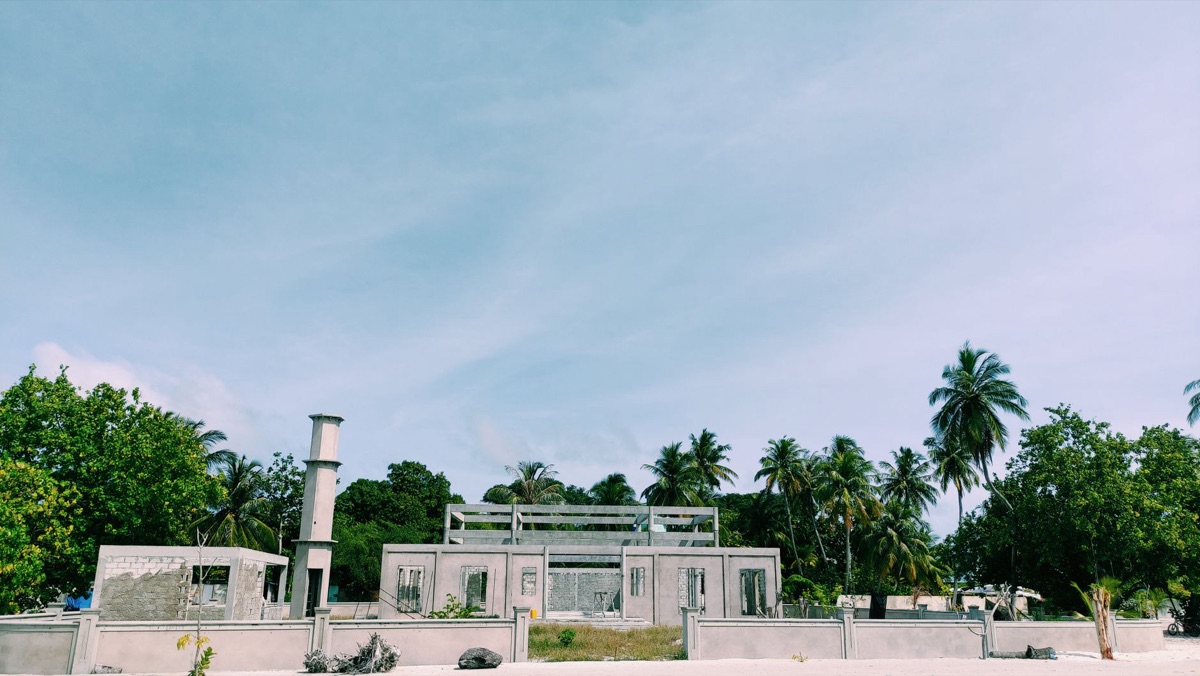
Making it Seamless: Logistics & Etiquette for Tourists
I once saw a traveler try to walk through a local village in a swimsuit, only to be met with confused and uncomfortable stares from the elders. It was a stark reminder that you are a guest in a place where people live, work, and pray.
Money matters can be tricky. While many local guest houses accept credit cards, smaller shops and cafes often prefer cash. It is wise to carry Maldivian Rufiyaa for small transactions, though US Dollars are widely accepted in many tourist-facing spots.
In 2026, most ATMs in hubs like Maafushi provide local currency, but always keep at least $50 in cash on hand for emergencies.
Tipping is not as strictly codified as in the US, but leaving a little extra for excellent service in small cafes is always appreciated. Transportation within the islands is mostly on foot. In larger hubs, you might find small electric carts or bicycles, but most people navigate by walking.
When traveling between islands, you will rely on the speedboat network, which is the lifeline of the archipelago.
To maintain the integrity of your visit, follow these "Do's and Don'ts":
- Do dress modestly in public areas (cover shoulders and knees).
- Do ask permission before taking photos of local people.
- Don't consume alcohol in public areas outside of designated guest houses or licensed spots.
- Don't disrespect local religious customs or prayer times.
Staying mindful of these rules ensures you remain a respectful guest rather than an intrusive tourist.
Enhancing Your Trip: Integrating Local Visits with Your Resort Stay
The transition from a quiet, air-conditioned villa to a bustling island street can be jarring. Finding the right balance is the key to a successful itinerary that satisfies both the desire for luxury and the hunger for authenticity.
The ideal balance for most travelers is a 70/30 split. Spend the majority of your time in the luxury of your resort to recharge, but dedicate specific days to local island excursions.
This prevents "culture shock" from becoming overwhelming while still providing that deep connection to the real Maldives.
Before you arrive in the country, look into the transfer schedules. Knowing how to get from your resort to the nearest inhabited island will save you hours of logistical headache. It is also helpful to set an intention: go to the local island to learn, not just to sightsee.
After you return to your resort, you will find that your appreciation for your luxury base has deepened. You will understand the context of the beautiful water you are looking at, knowing that it is also a place of work, community, and history for the people who call it home.
#





Comments 0